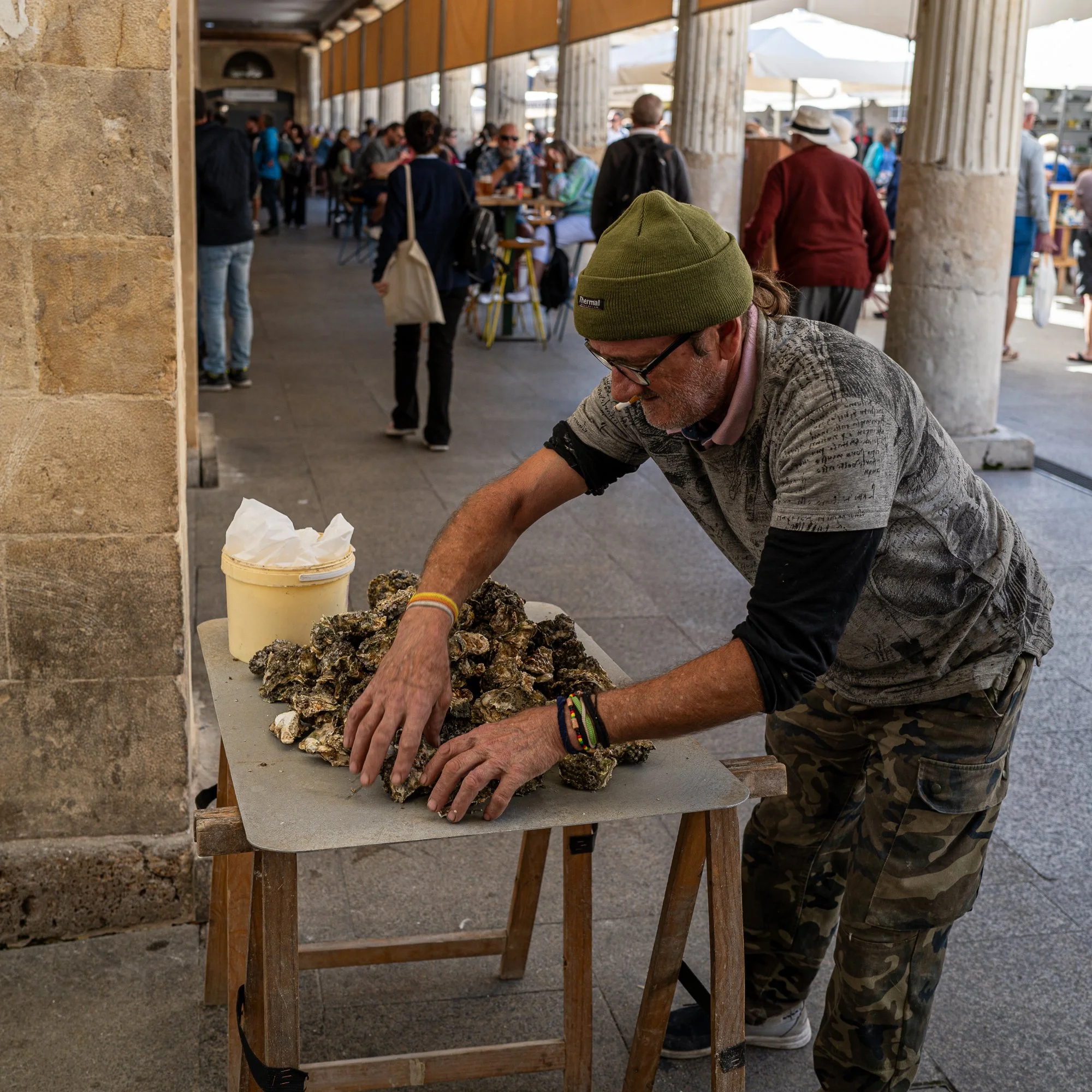
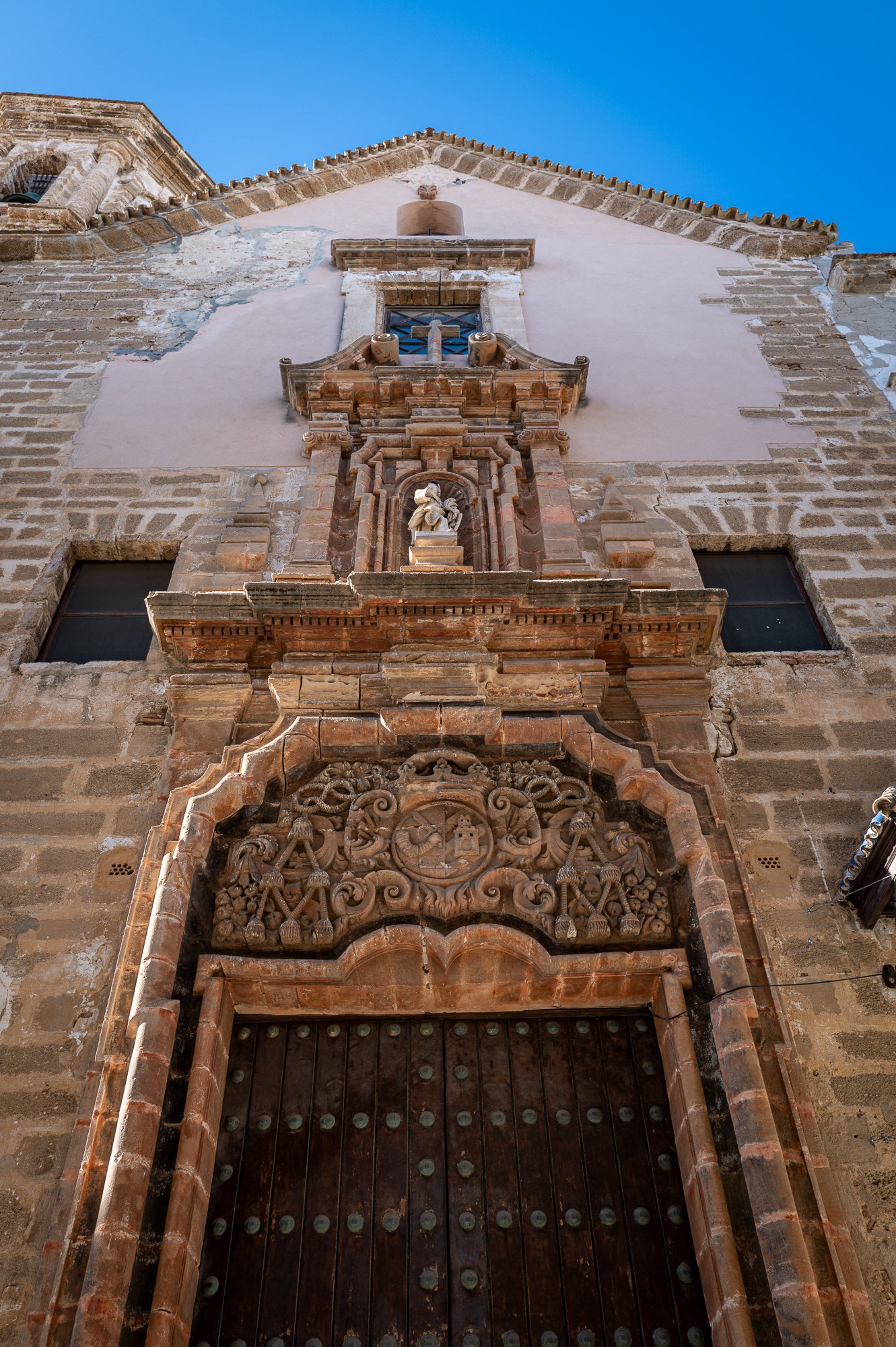
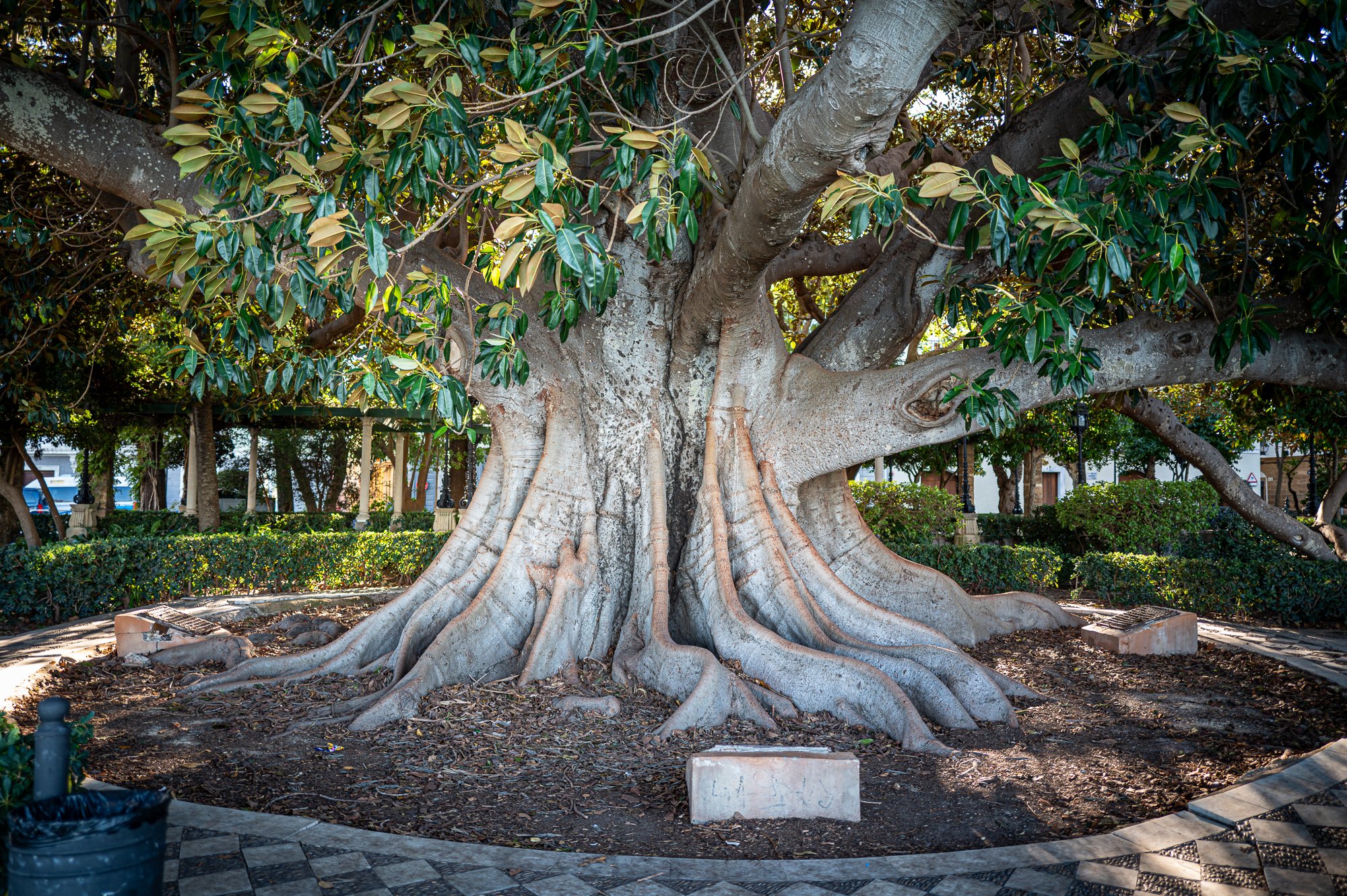
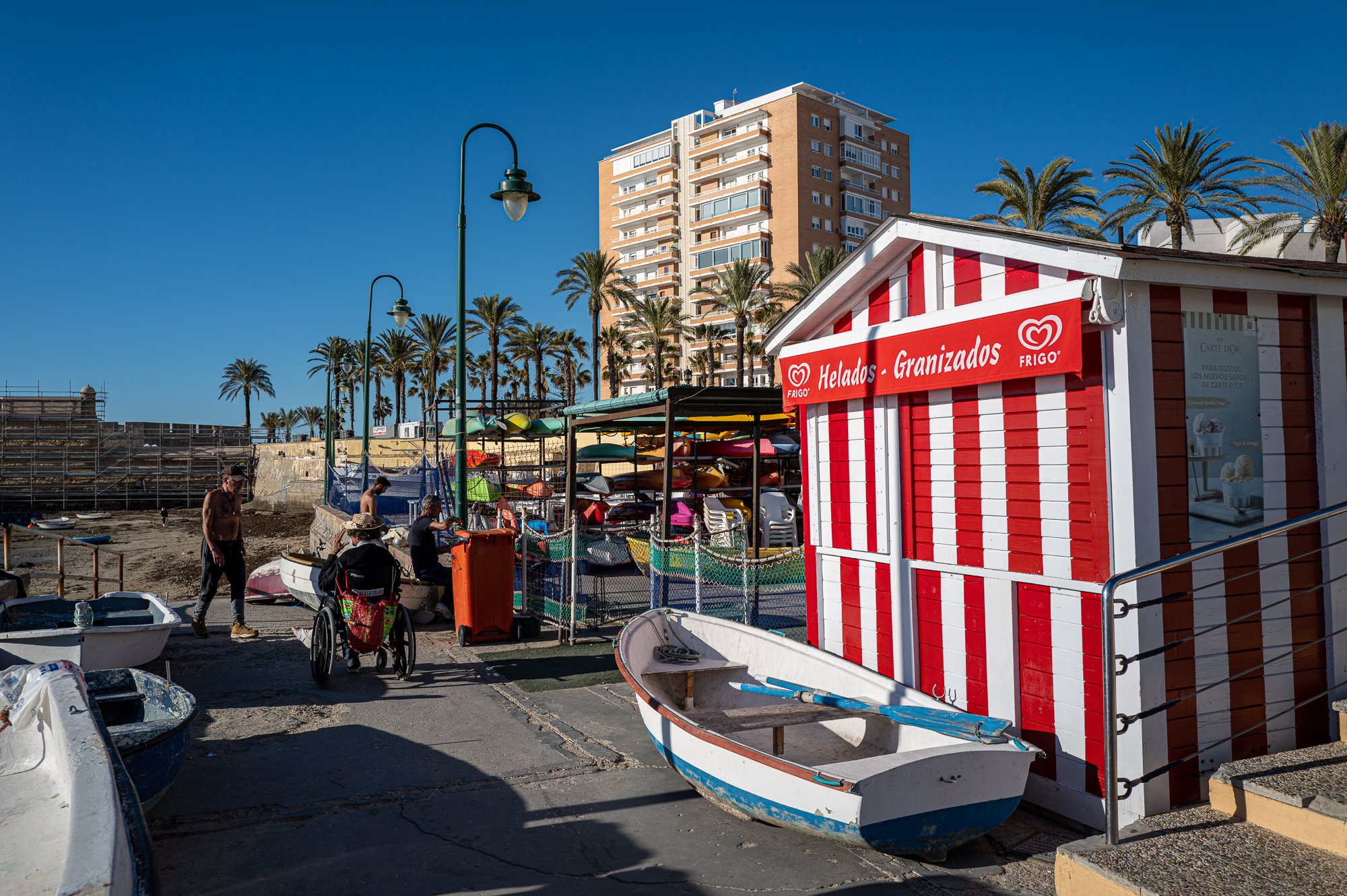
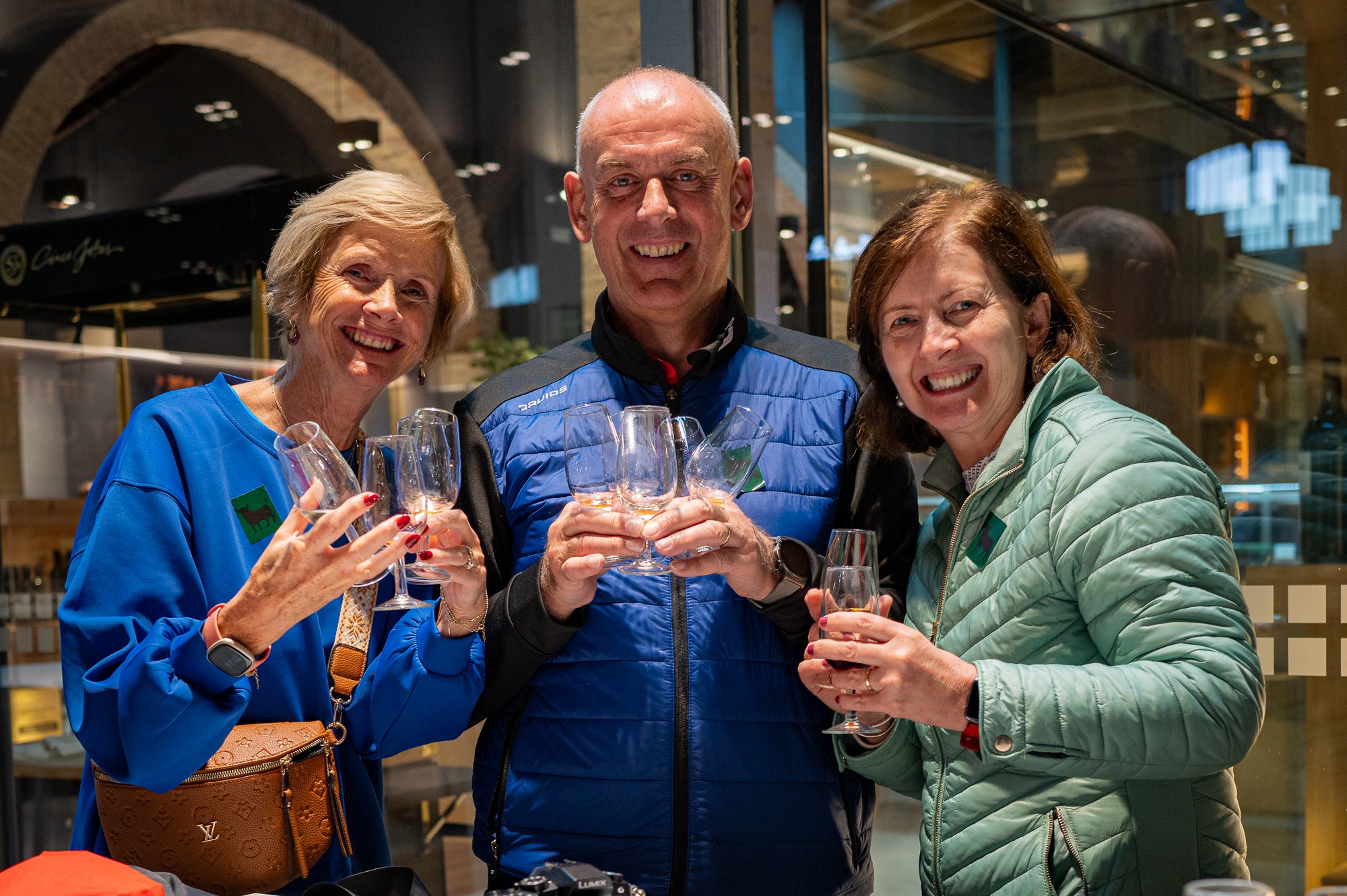
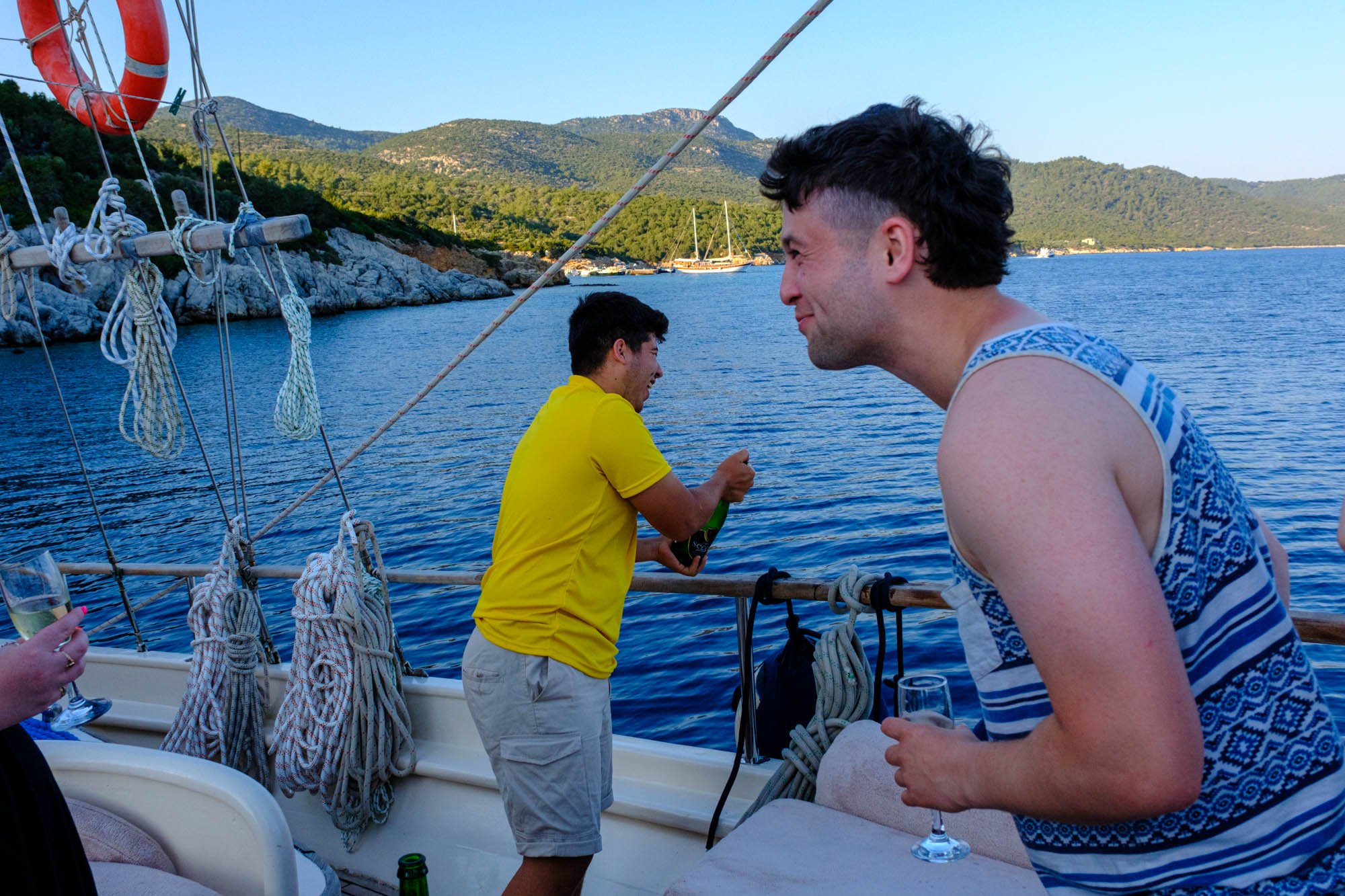
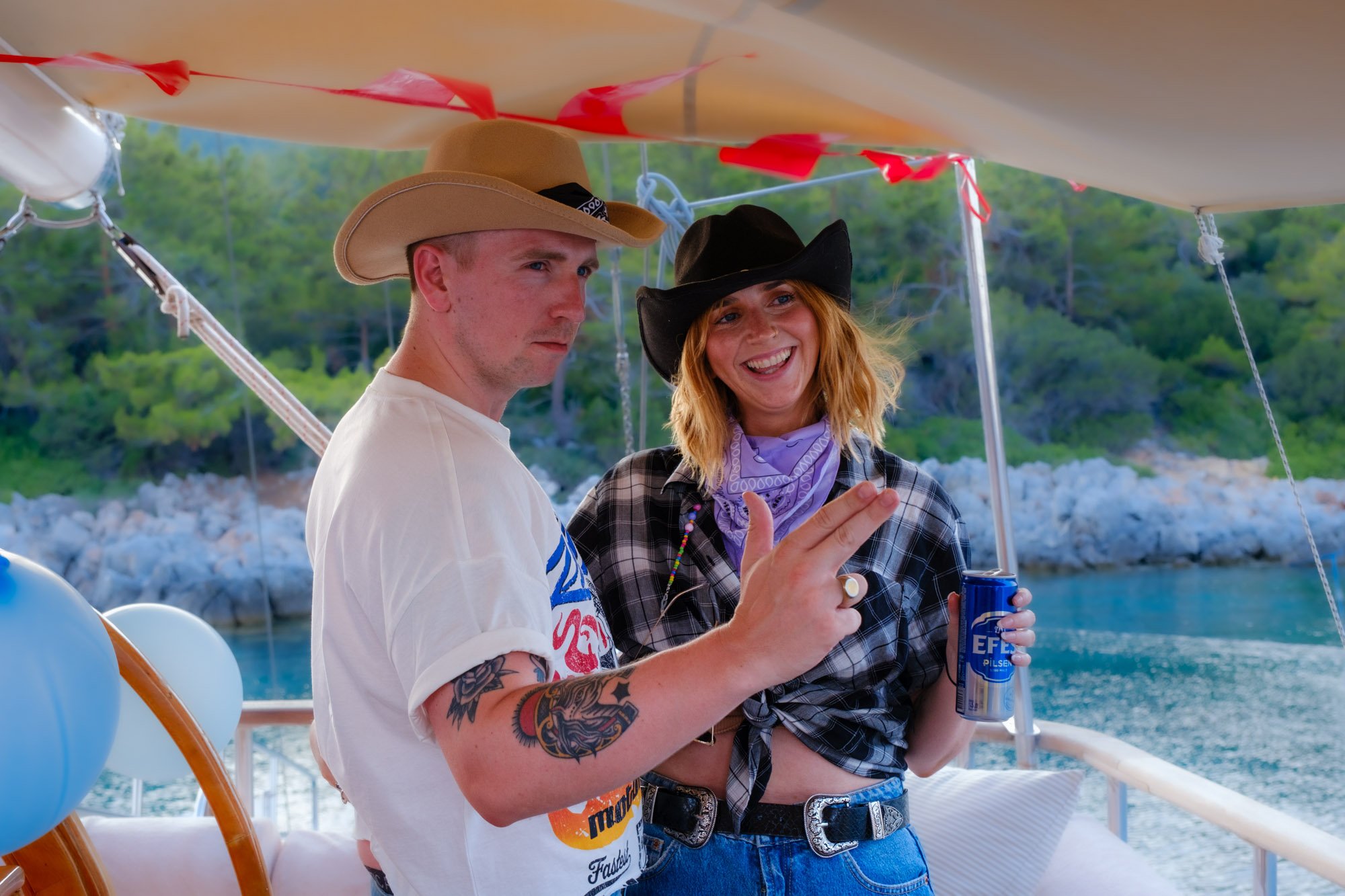
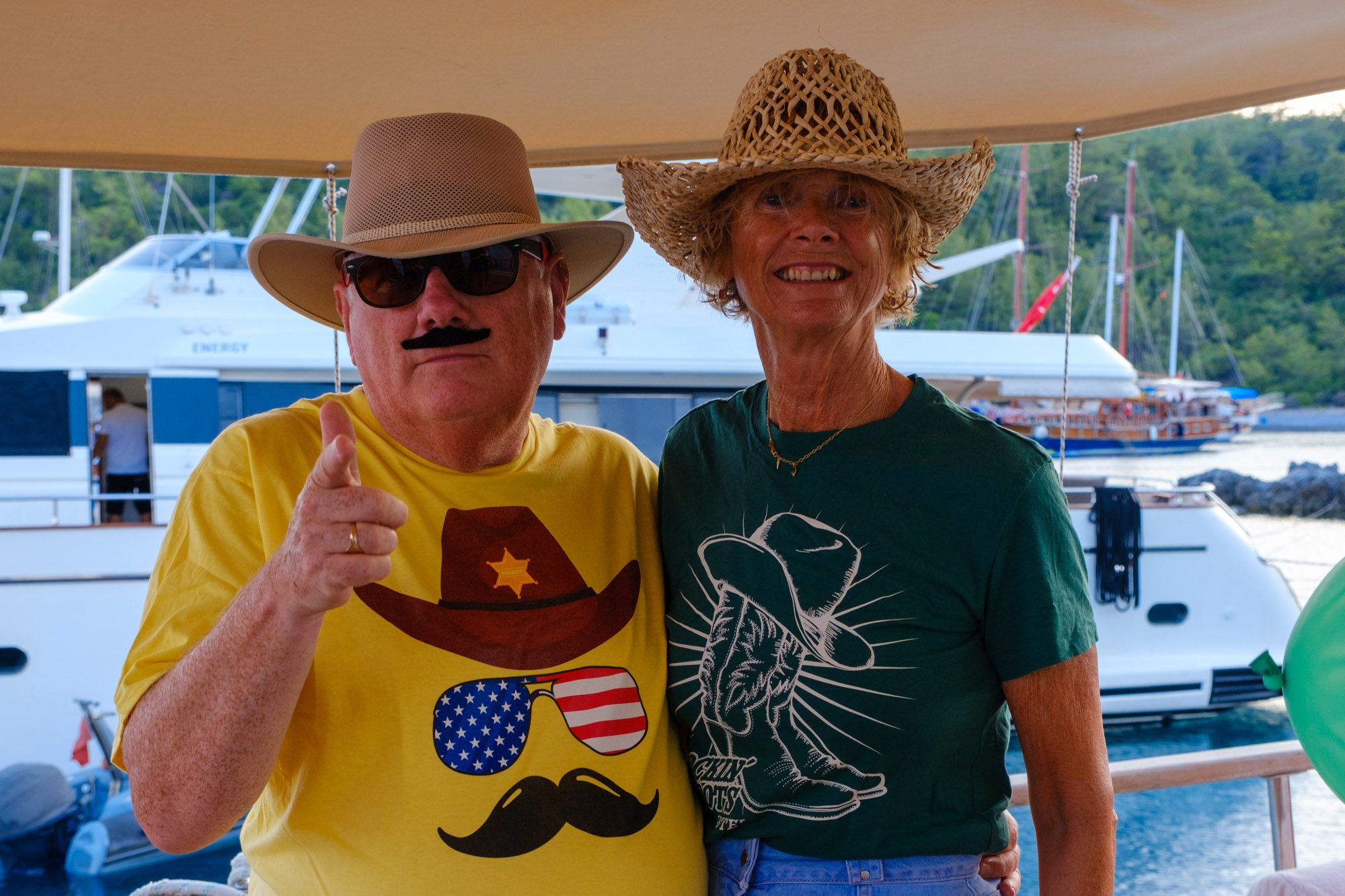
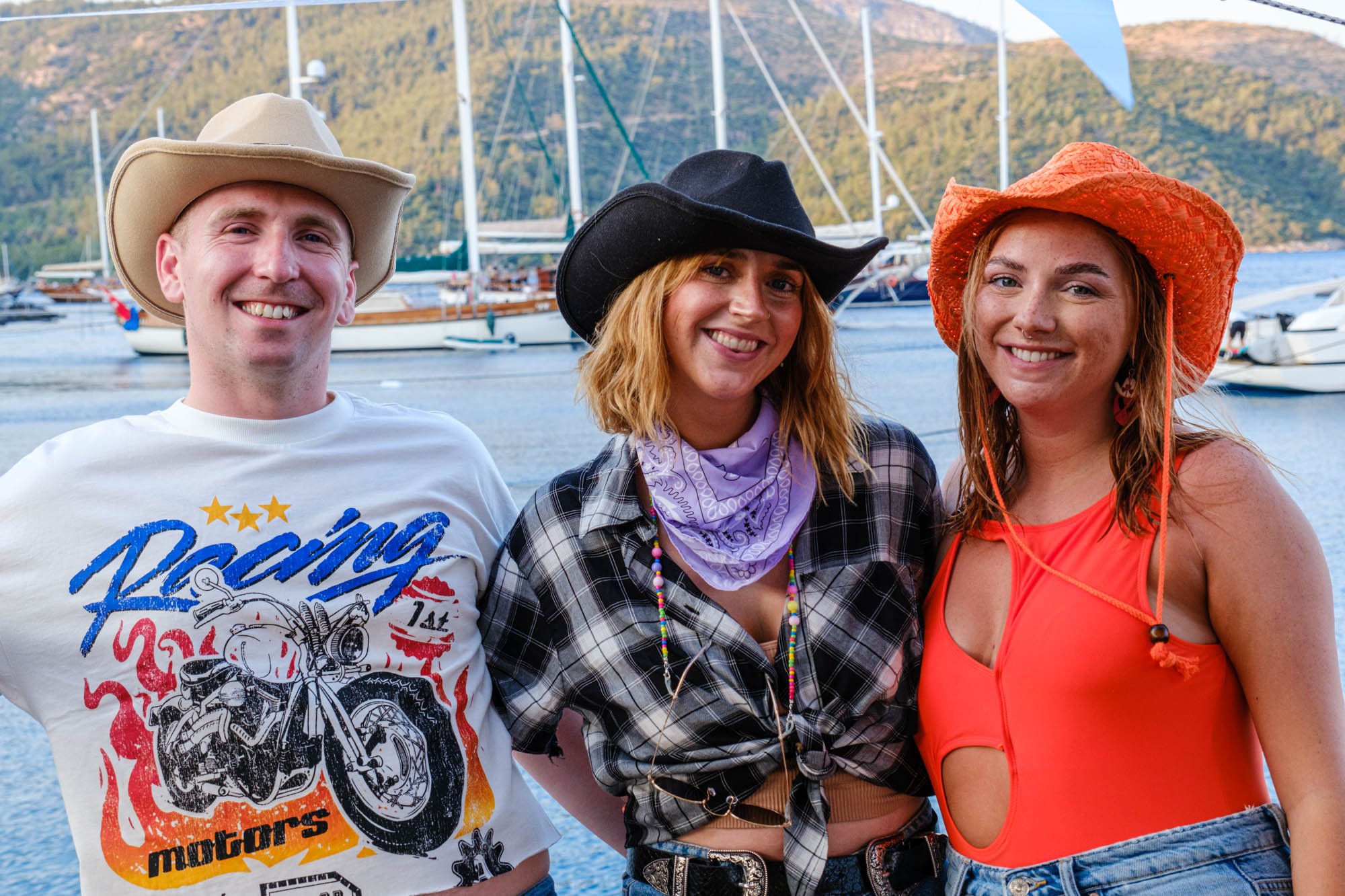
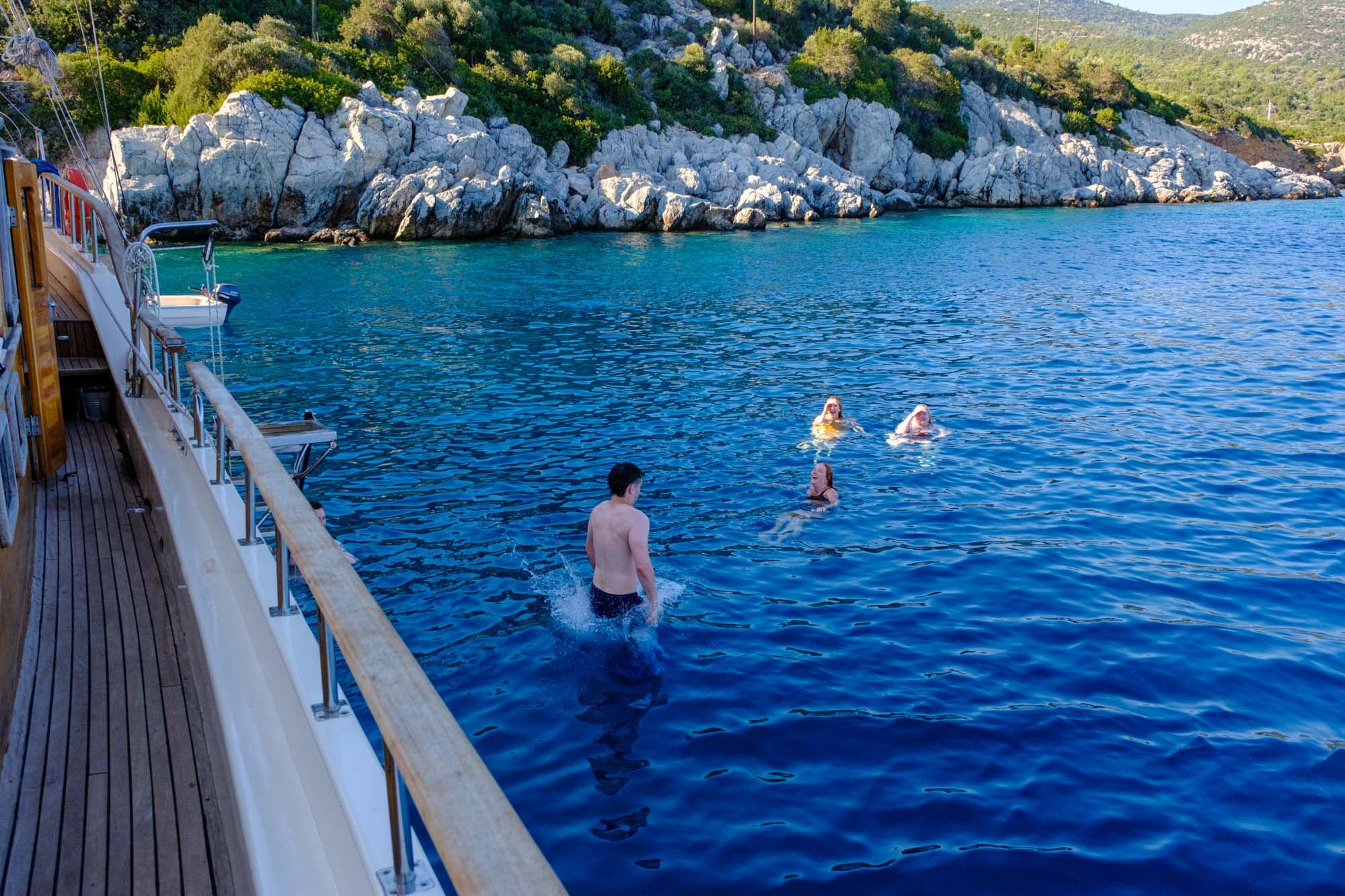
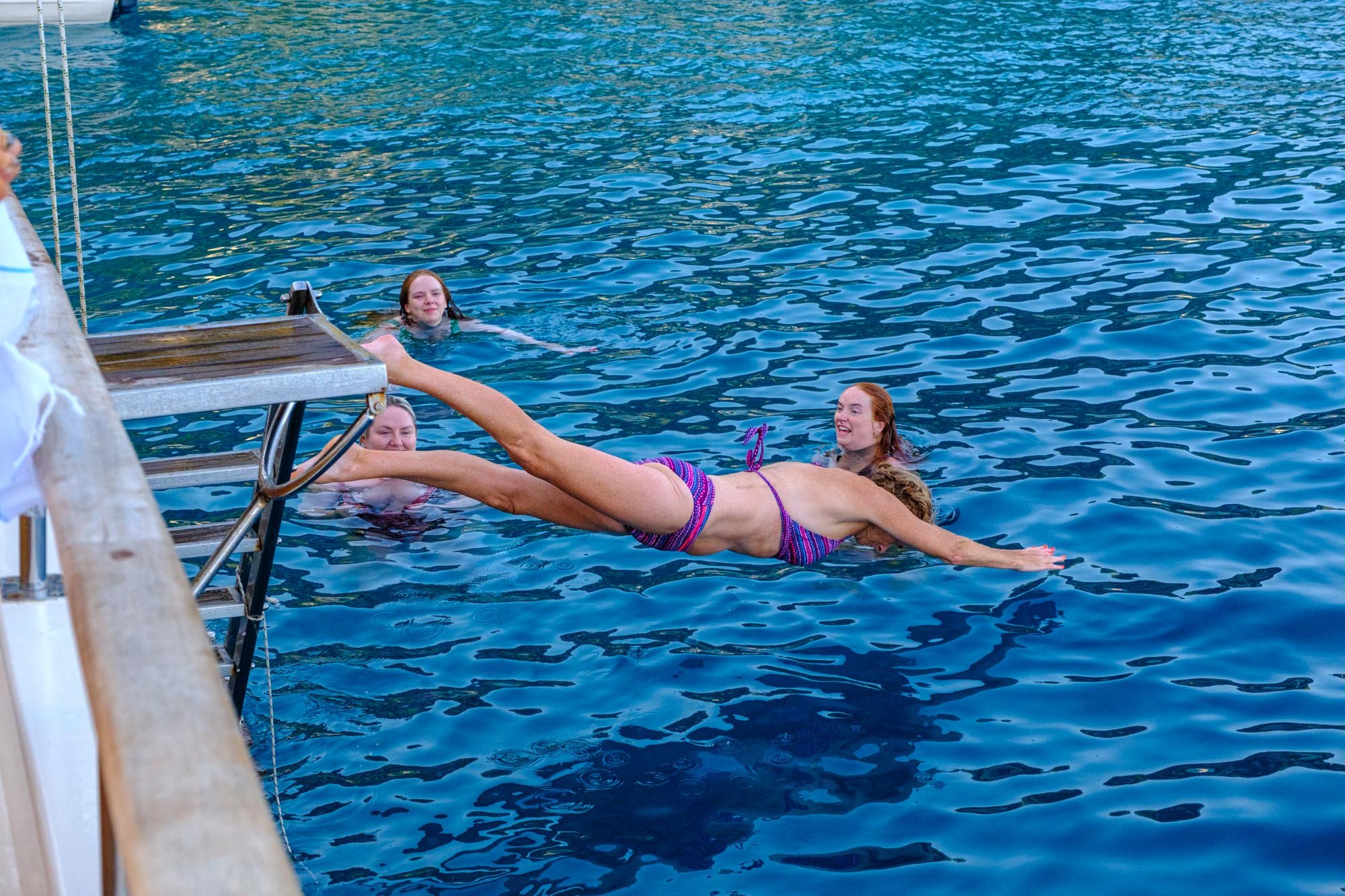
Last weekend we had our annual weekend away and there was a great attendance, 30 in all our biggest ever. We went to Ballinasloe and stayed in the Carlton Shearwater on the river Suck. I haven’t looked yet at the photographs but to be honest we were all having too much fun and enjoying ourselves to be too worried about getting any images. There were very late nights and sore heads the next day. However, on the Saturday afternoon Gerry Morgan took a group of 14 of us out to Garbally College to do a tutorial on using flash outdoors. Here are the videos:
In the last blog I raised the issue of a purple colour on a long exposure shot taken at the Giant’s Causeway (see here). So today I decided to see if I could find out the cause of this problem (thanks to Keith who also helped).
The following sequence shows the variability of the problem given different settings:
As you can see a slight touch of purple in the first image, as I widened to 16mm the more noticeable it becomes, but it gets very obvious once the aperture is closed down to f/22. So what was the problem, at first I thought it was light leakage through the “distance window” so I “gaffer taped” this.
But that didn’t solve the problem. The problem is light leakage through the Eyepiece, once closed with the Shutter it was gone.
Our lovely daughters bought us a Groupon for an overnight with dinner in Dungiven Castle. This has changed hands in recent months and it is a lovely boutique hotel though offially it’s a 4 star B&B as you have to have 16 rooms to qualify as a hotel in Ireland. Roy our host was very nice and we had a very good meal. On the way up we were uncertain about the weather it looked like it could rain at any moment. We arrived around lunch time, had lunch and afterwards decided to take our chaces and head to the Giats Causeway, and we were very fortunate as it was a lovely sunny afternoon. Sharon and I had a grand couple of hours taking photos. Sharon took my D700 and I used the D800.
The above is a long exposure using a B&W 10 stop ND filter. However, I have a problem with the image, if you run the mouse over the image you will see the original colour image and see the problem. The purple colouring in the middle third of the image. If anyone has any ideas on what this could be I would appreciate the help. The technical details are:
Nikon D800, Nikkor 16.0-35.0 mm f/4.0, taken at 25.0 secs at f/20. I used the B+W 77mm 110M Multi Coated +10 Stop Neutral Density Filter – F-PRO Mount
I have a couple of ideas I want to try out and I want to check results between the D700 & D800 using the same lens, but in the mean time any ideas on what the problem could be is much appreciated.
Addendum:
I forgot to mention that the tide was coming in and a huge way broke over the Causeway soaking me up to the knees but worse still, it splashed my lovely new D800 and shiney new 3 Legged Thing tripod. I quickly turned off my camera and started to dry it off with Sharons silk scarf. What a scare, but all appears to be fine now, everything works. Though on Sunday night I decided to take a closer look at my tripod (Brian), and I could see it was still wet and had some salt deposits. Fortunately, you can take the whole thing apart, which I did, over the next couple of hours and cleaned it, dried it and oiled it again. Whew scarey!!
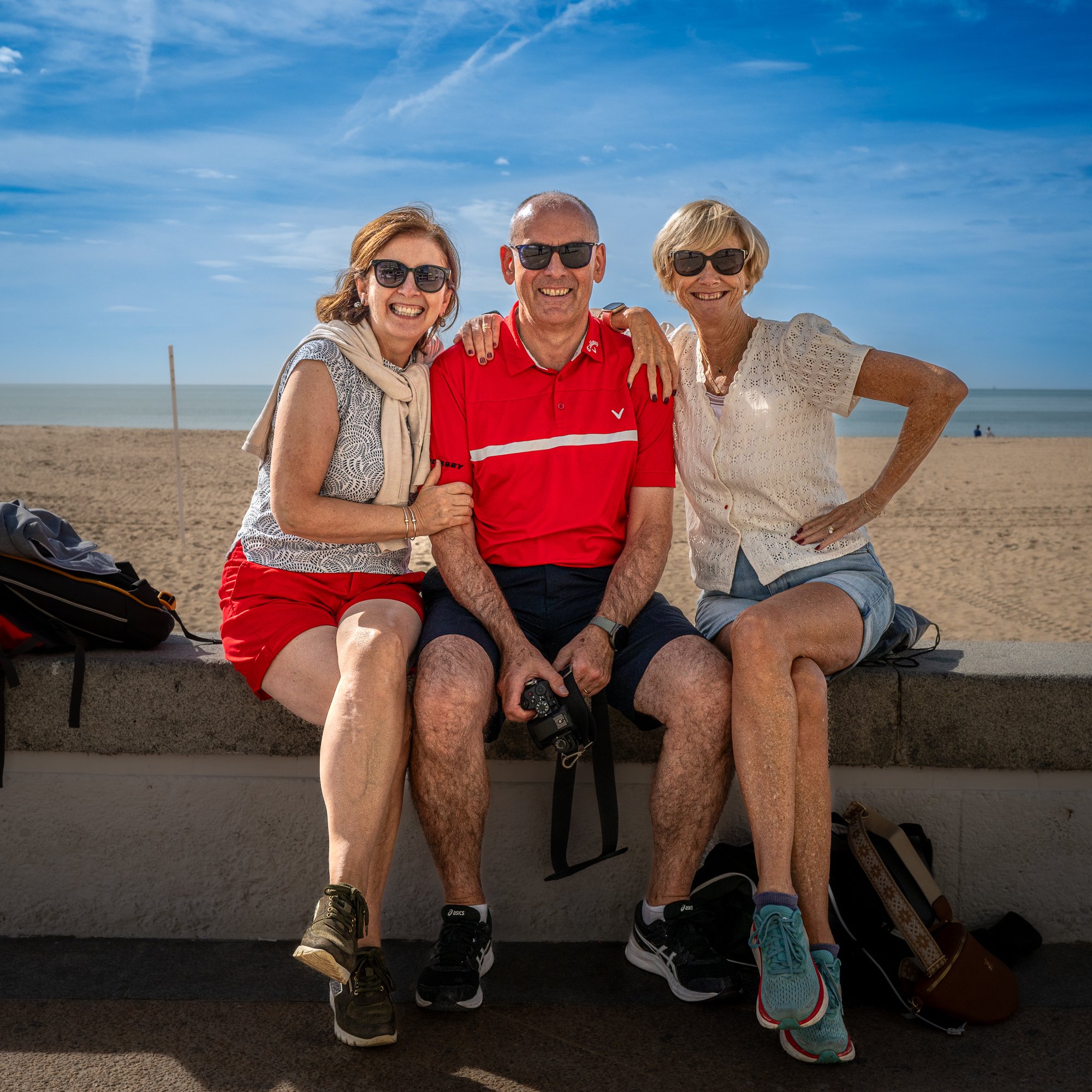
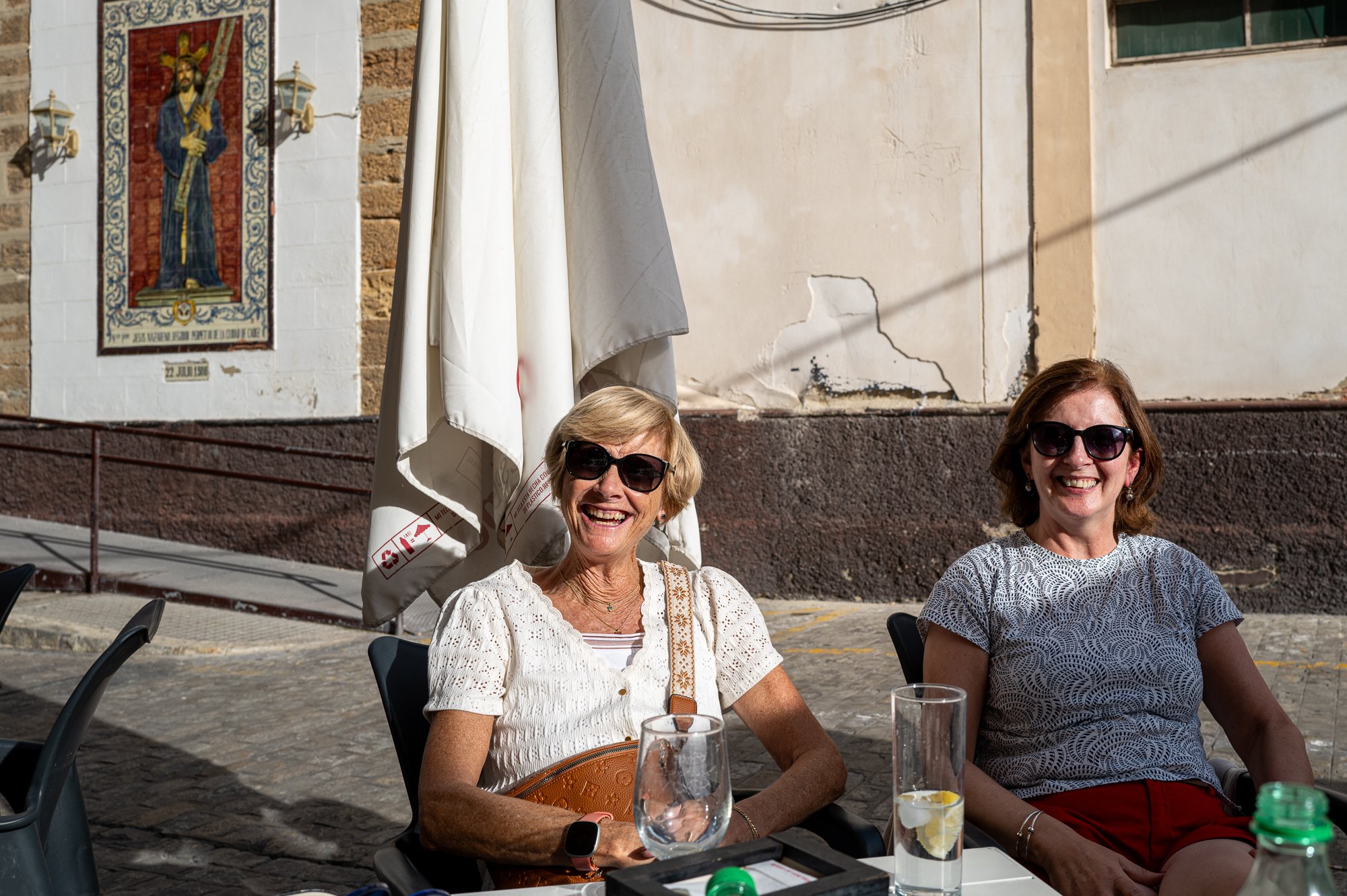
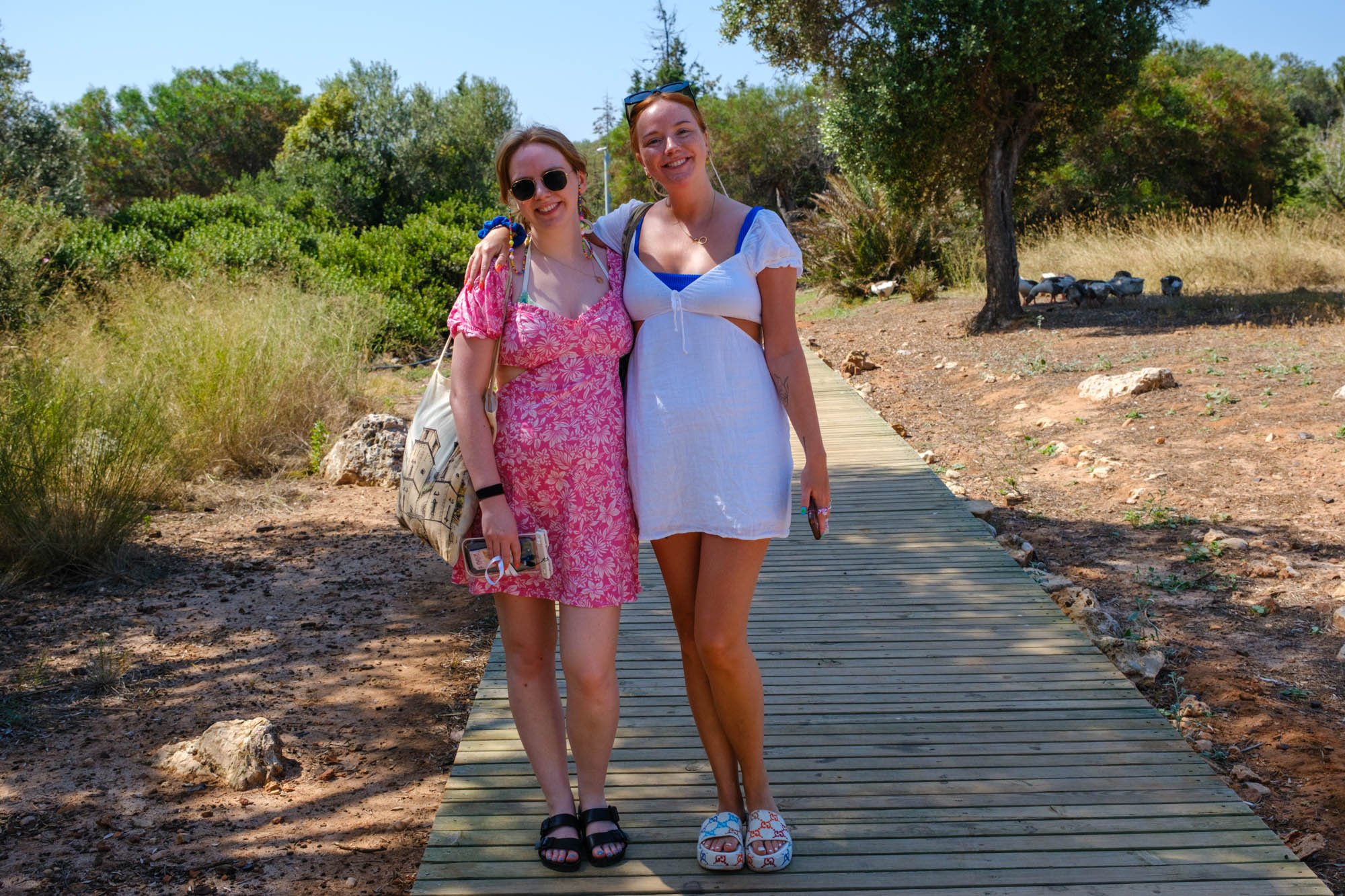
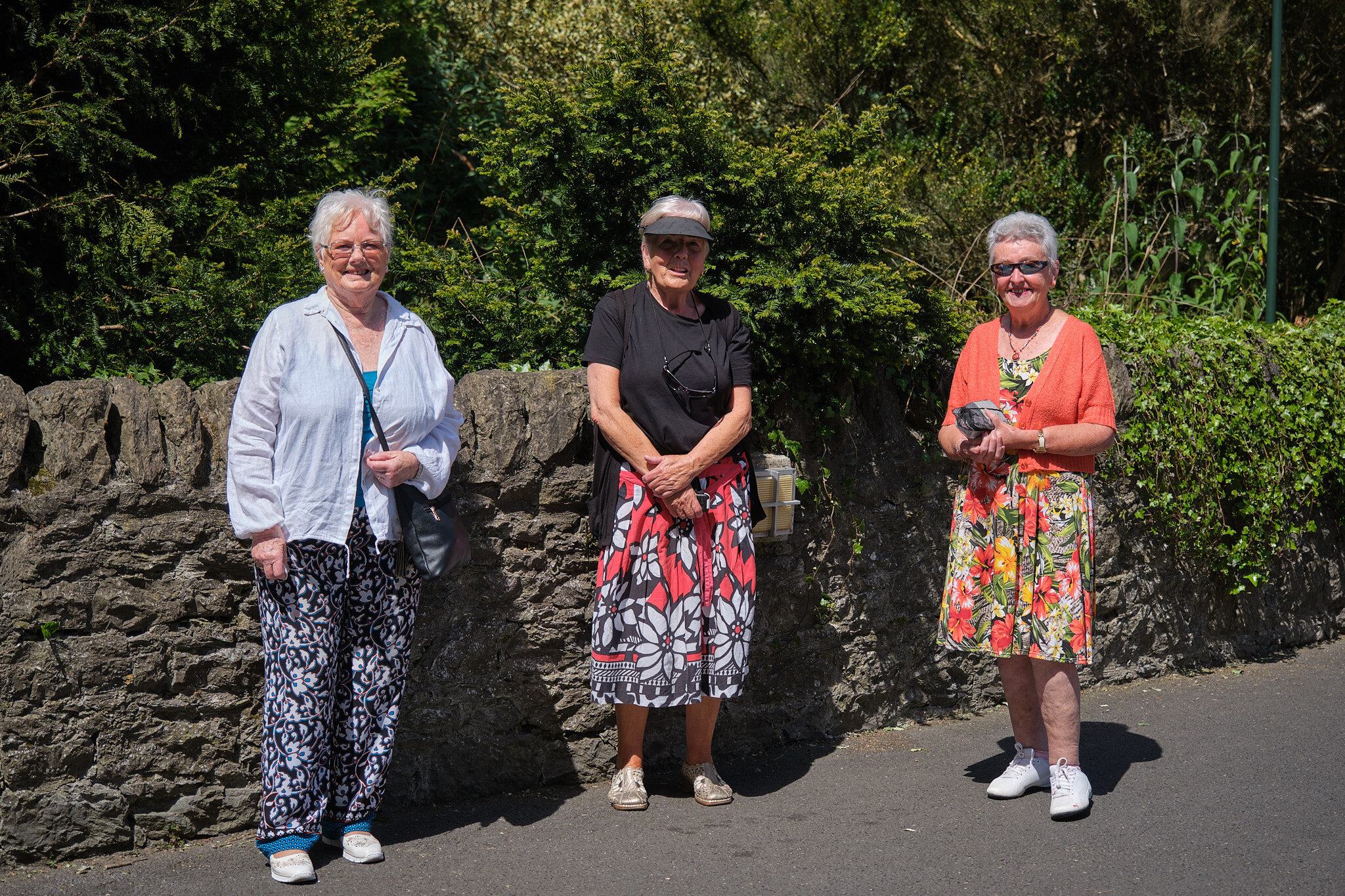
Last weekend we had the pleasure of spendinga night with a friend in their summer home in Ring just outside Dungarvin. It is a fantastic location overlooking the bay. It was the local food festival so that was good craic as well. We had a lovely couple of days and a good night in Ahearnes Restaurant in Youghal. Also a chance to take a few snaps with my D800. Here are our better halves.
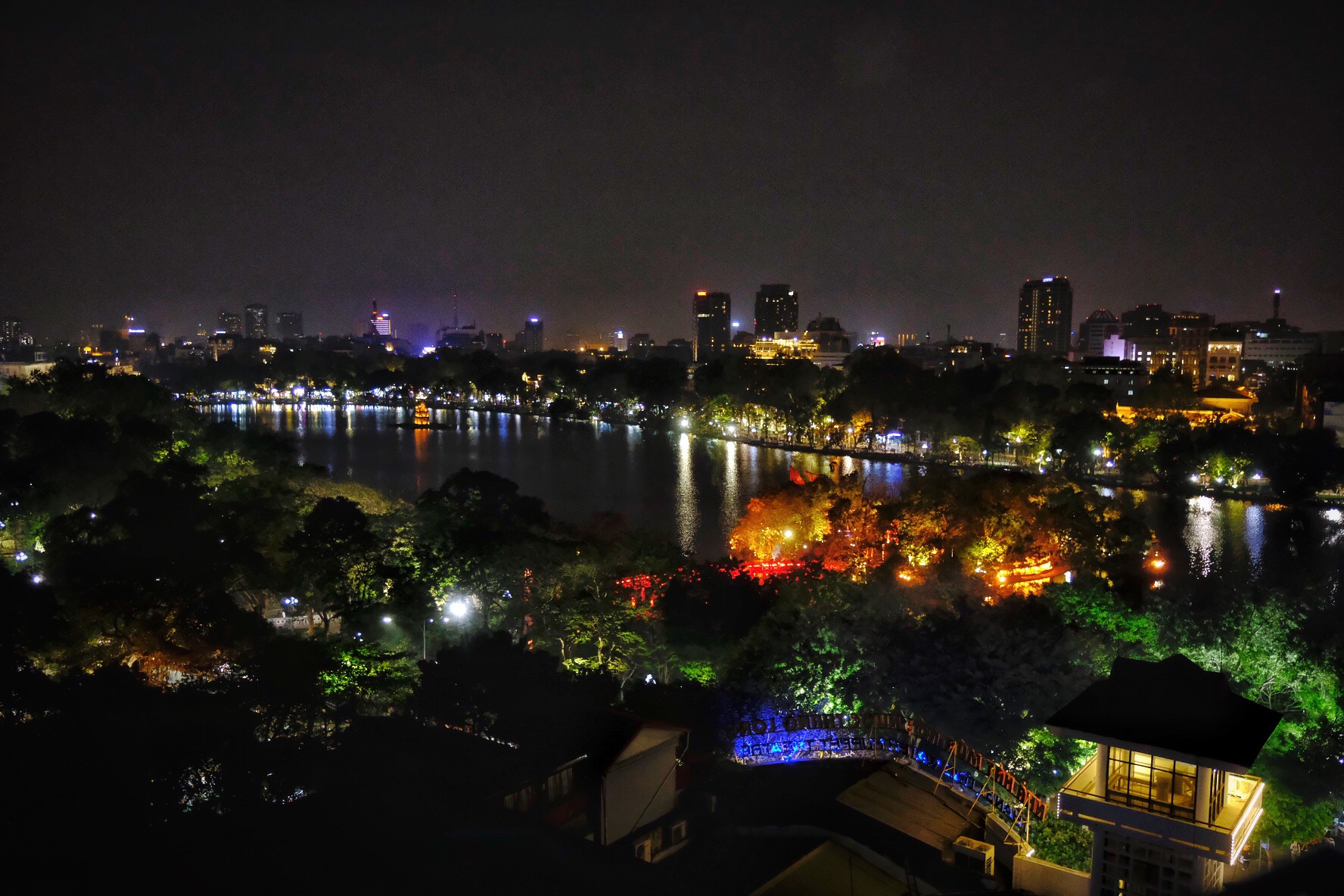
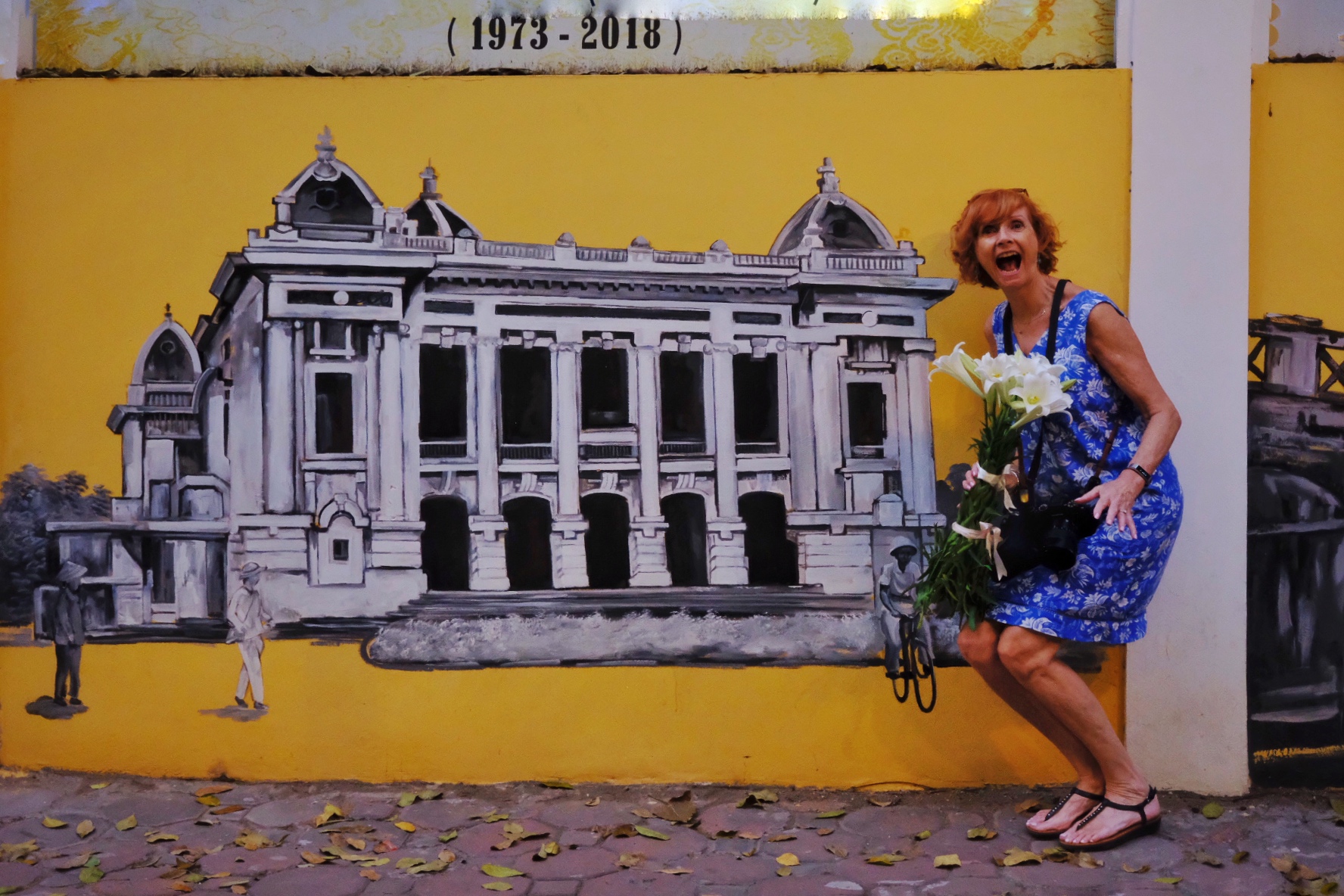
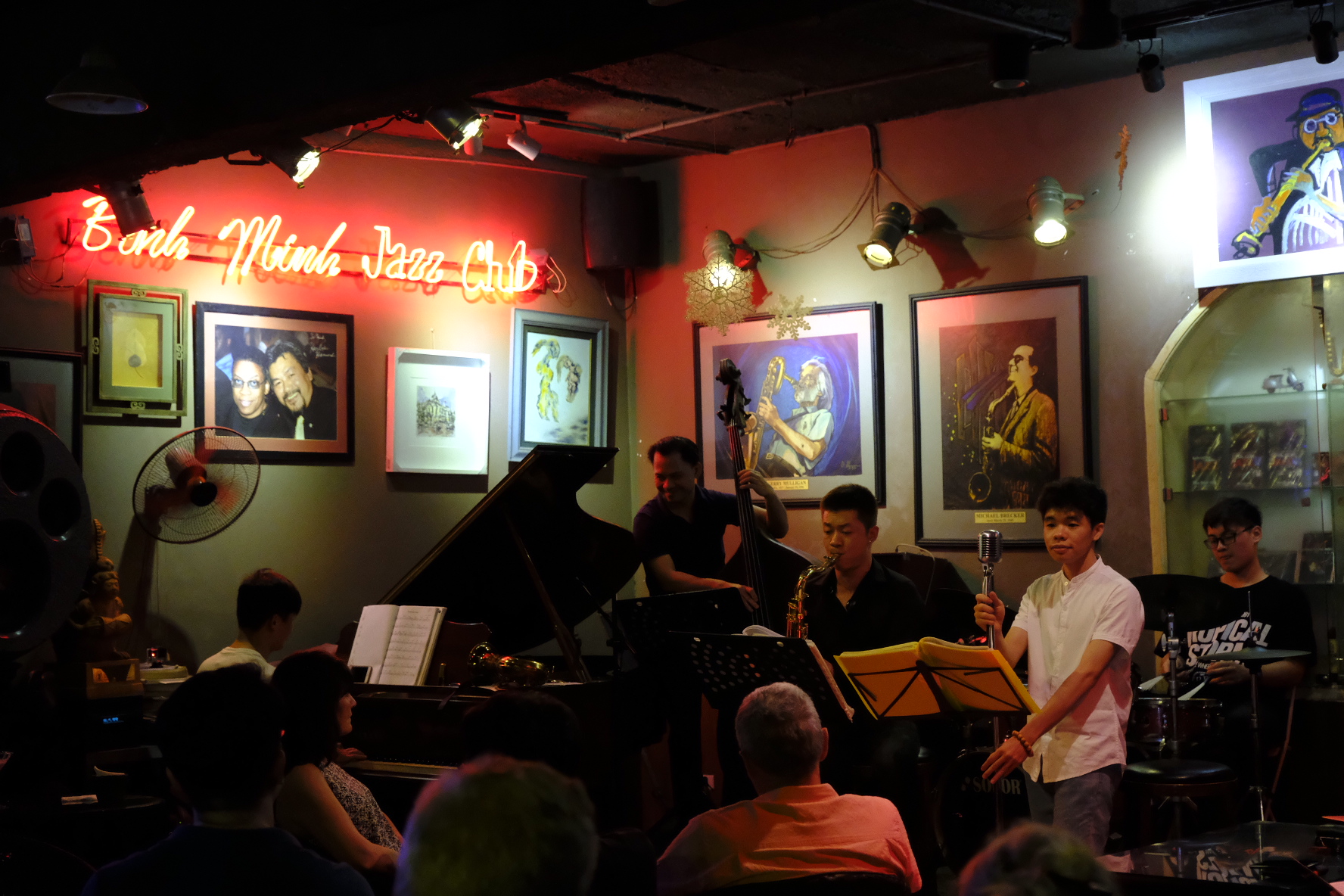
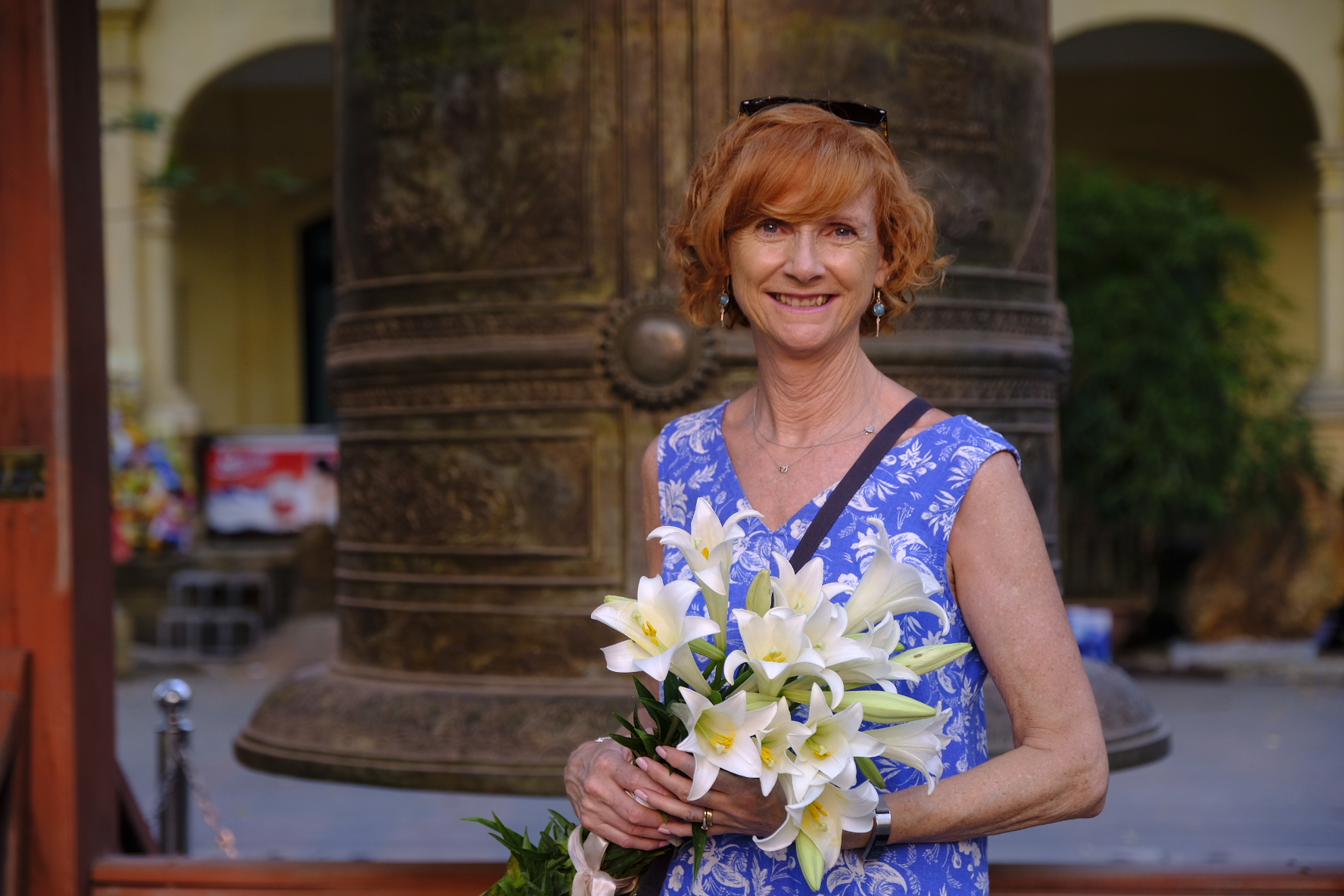
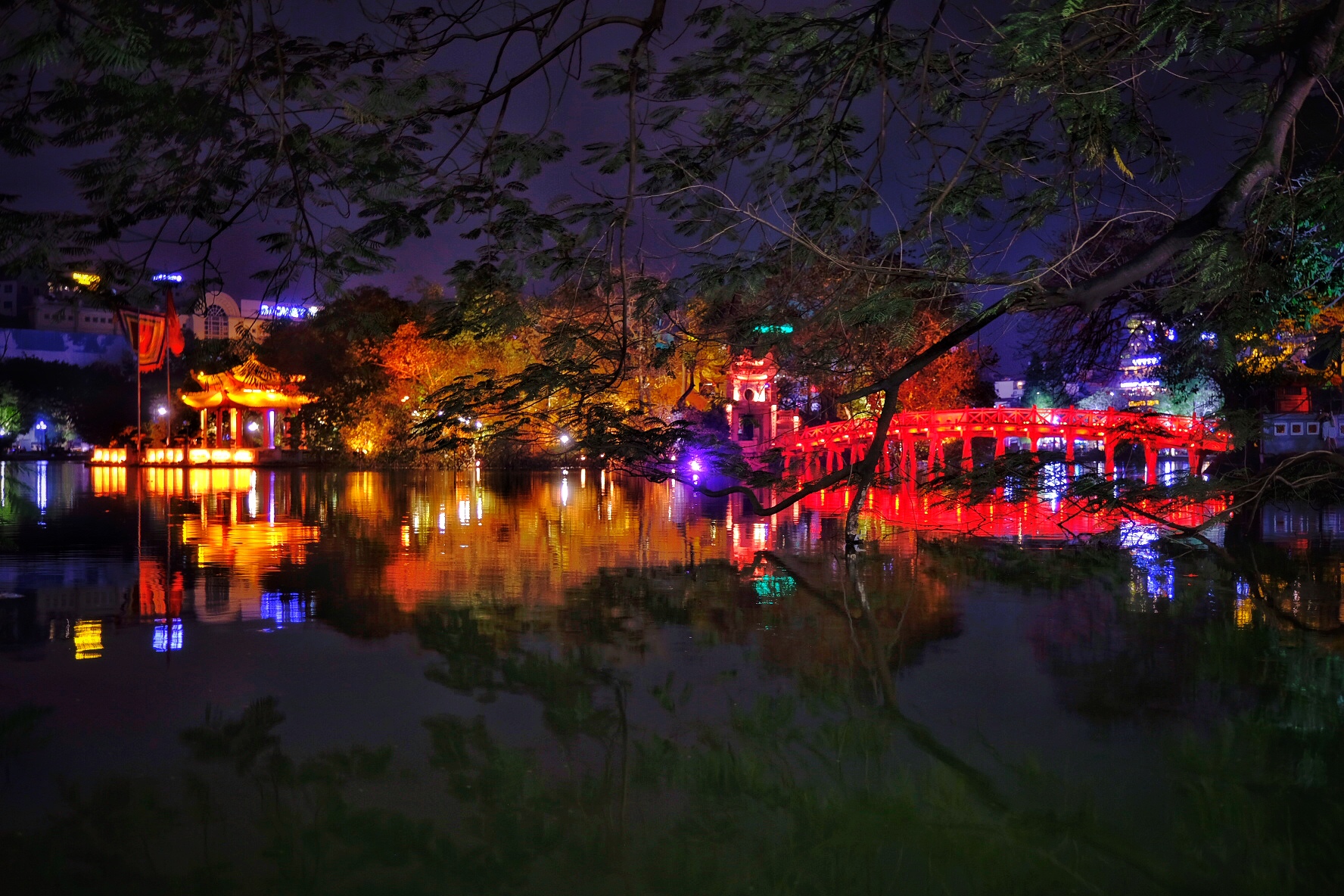
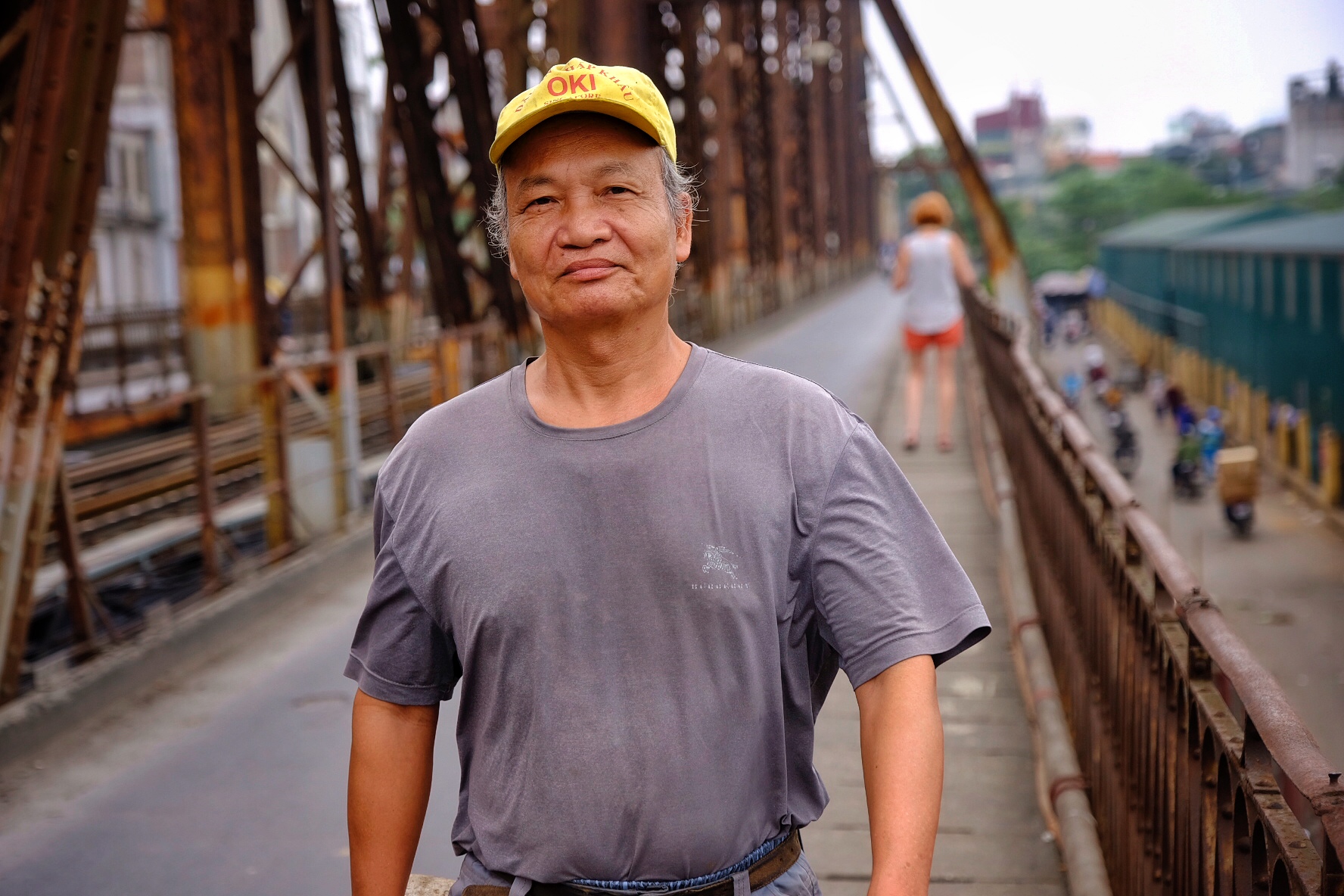
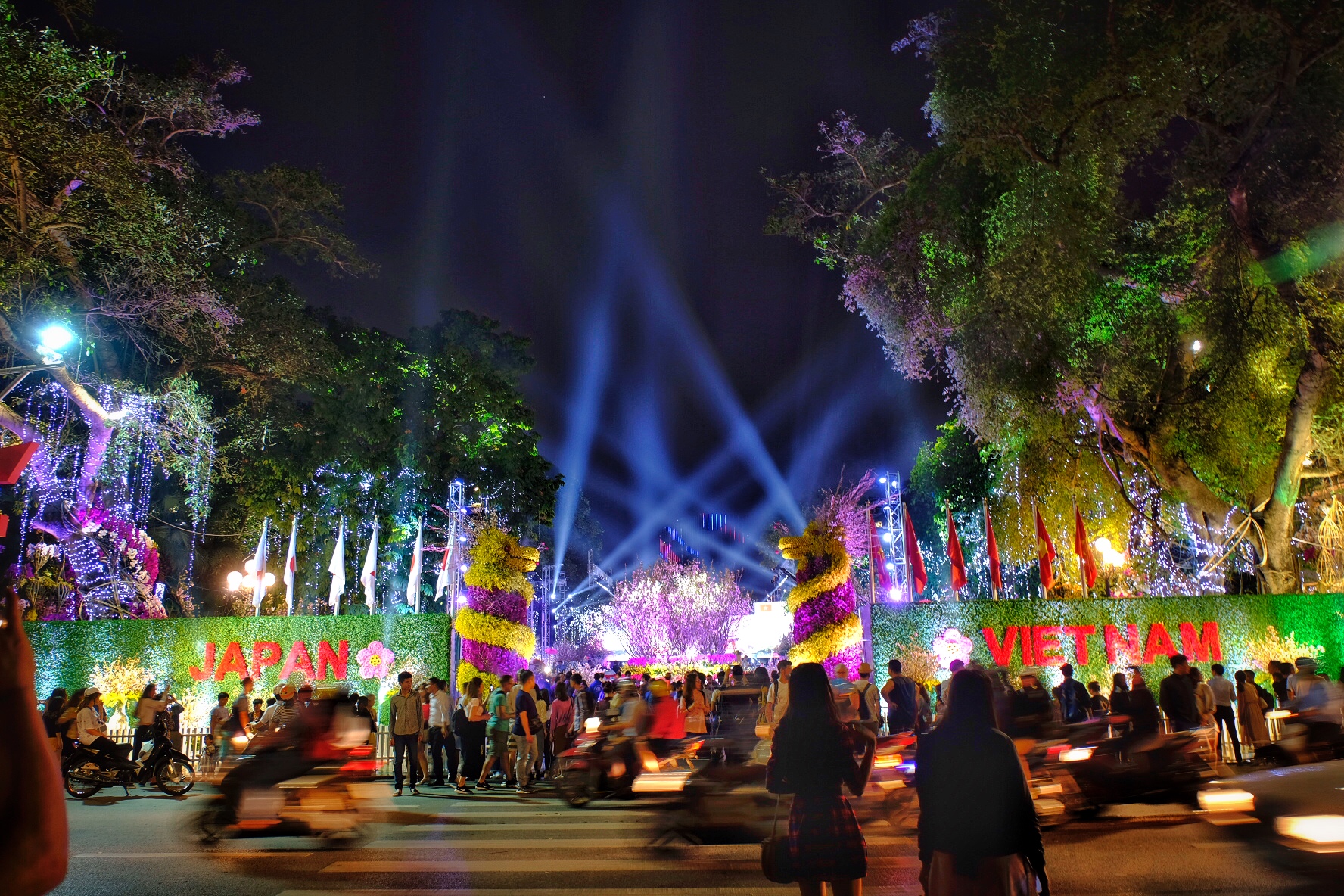
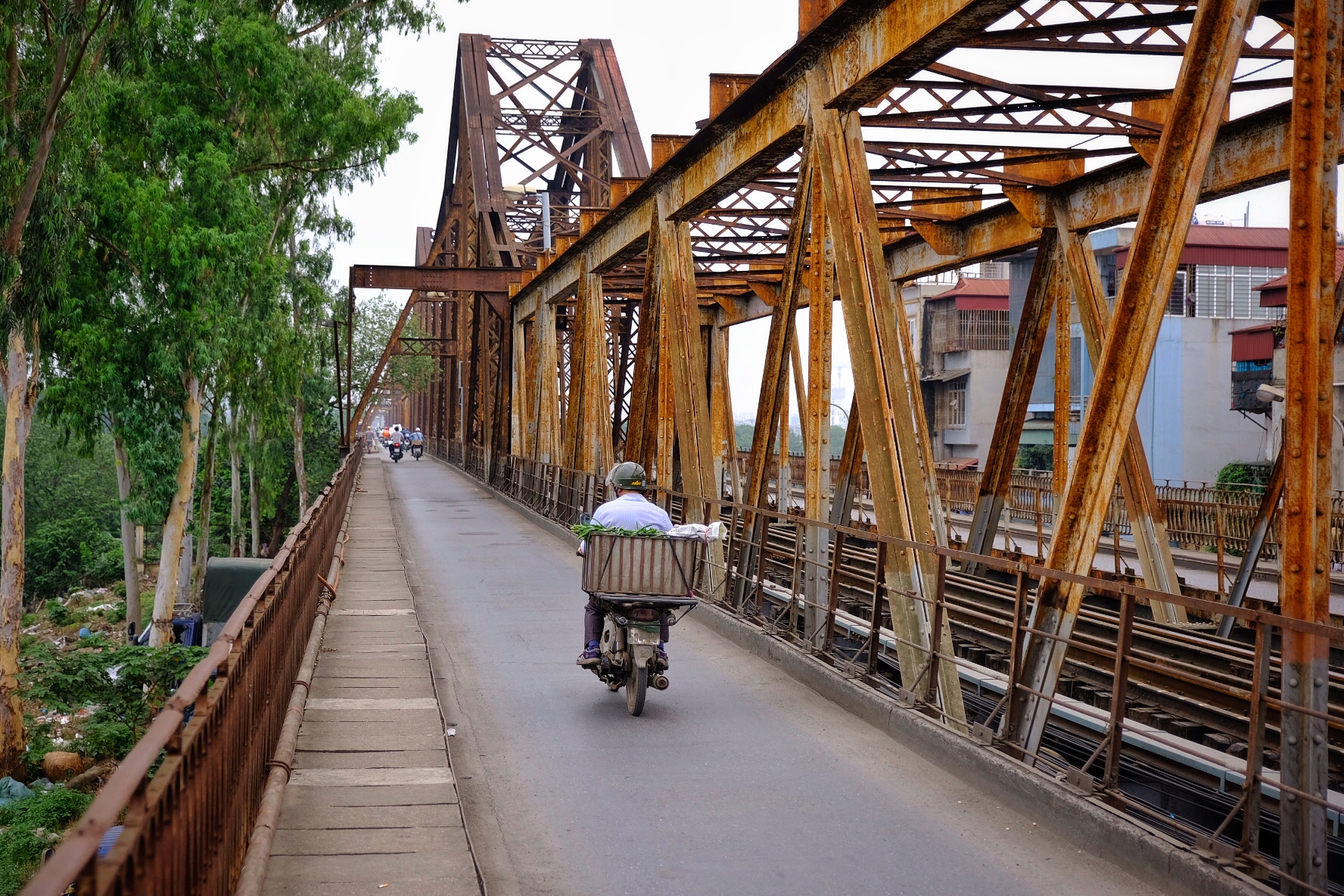
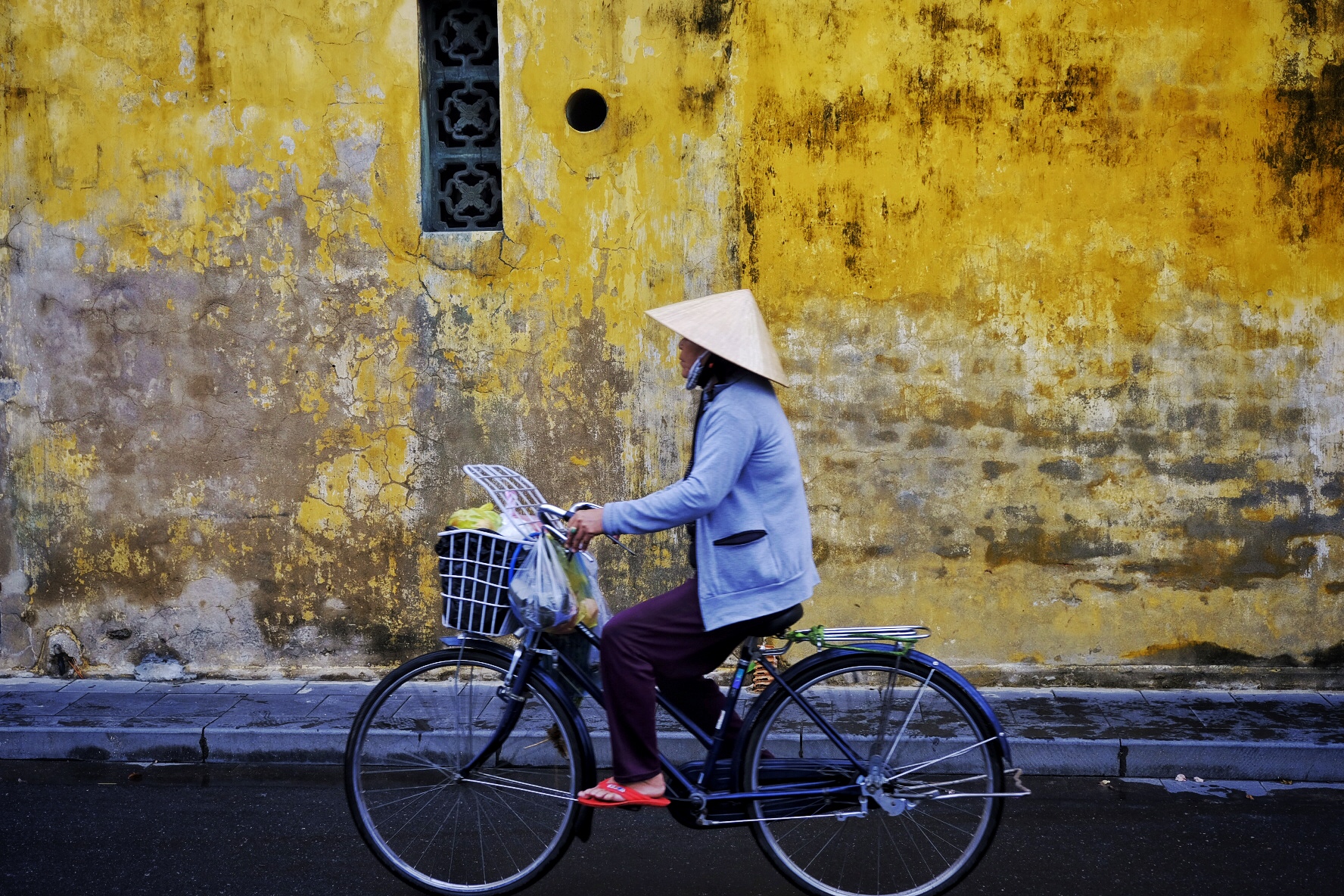
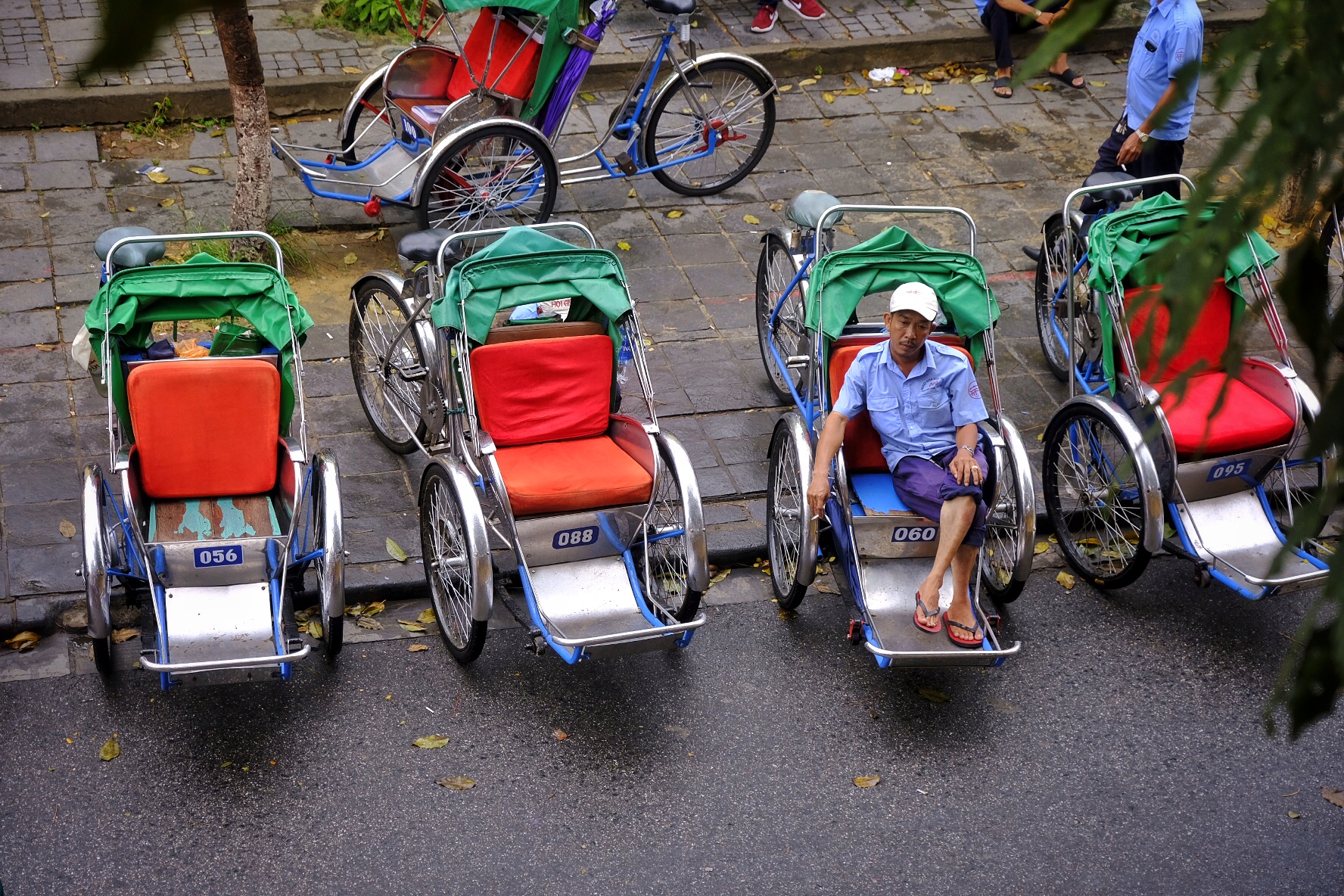
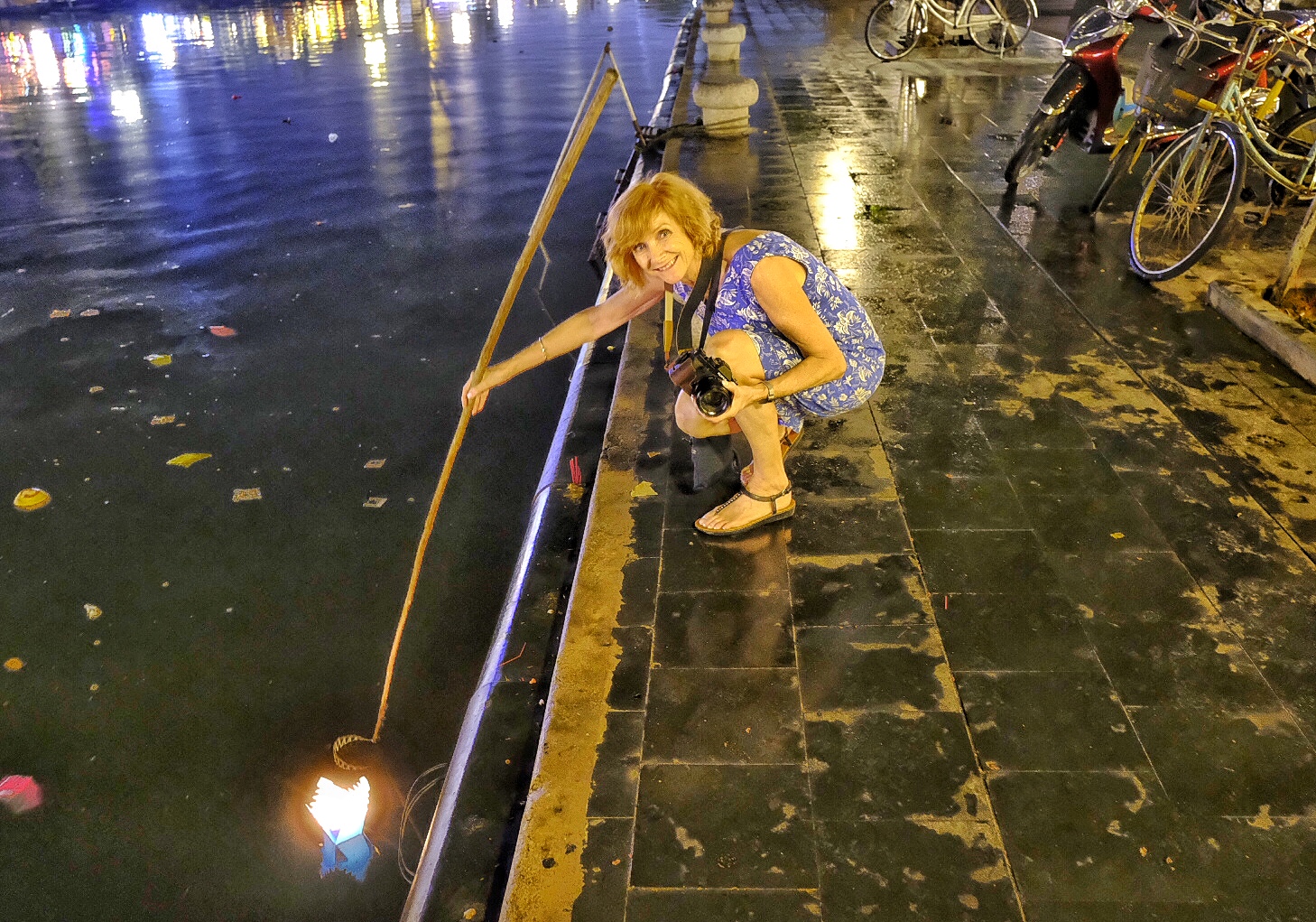
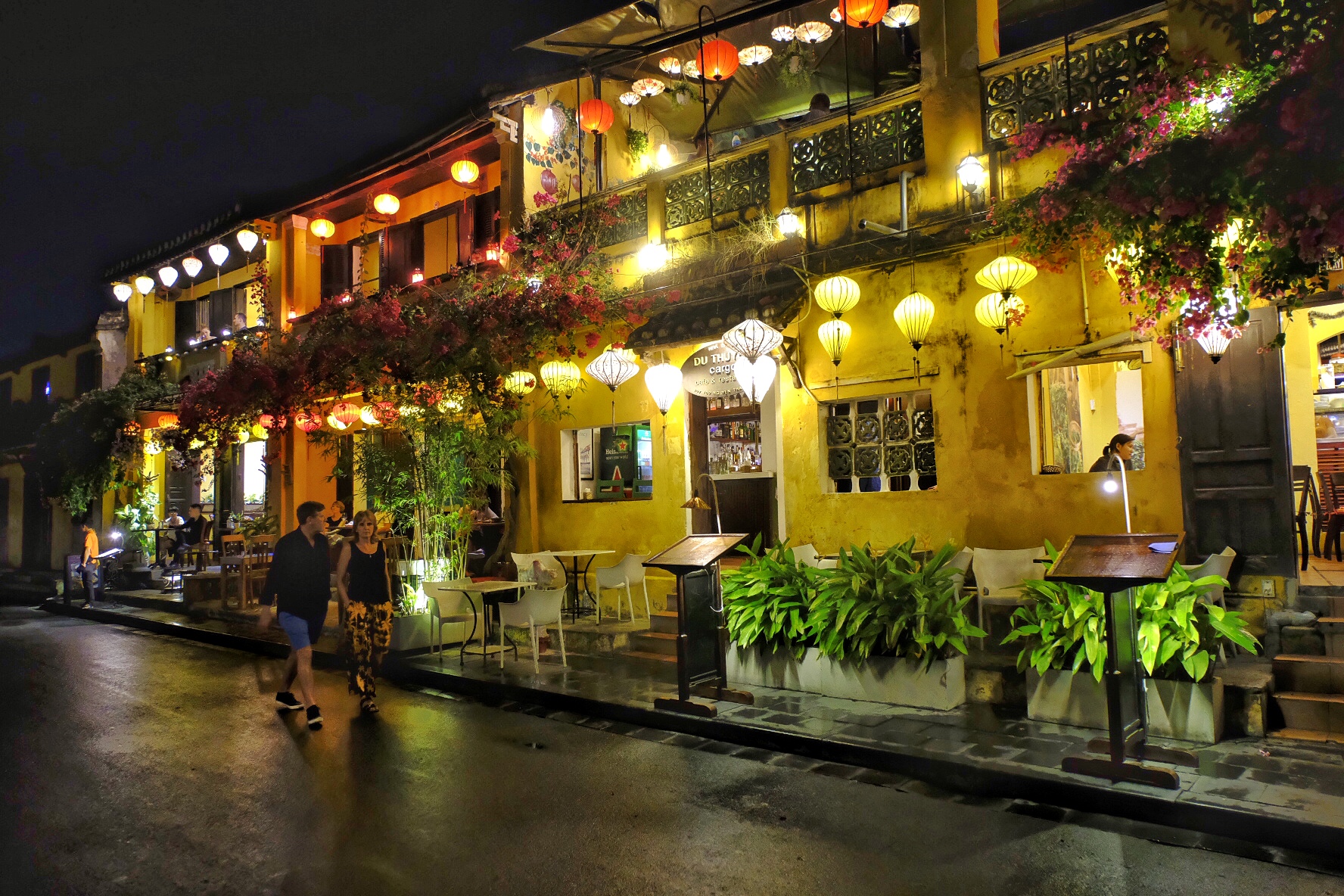
The last few days have been about relaxing and getting home. Sunday in Vung Tau (admittedly forgettable), back to HCM city Monday to walk around city and night market and finally 24 hours getting home via Bangkok and Amsterdam.
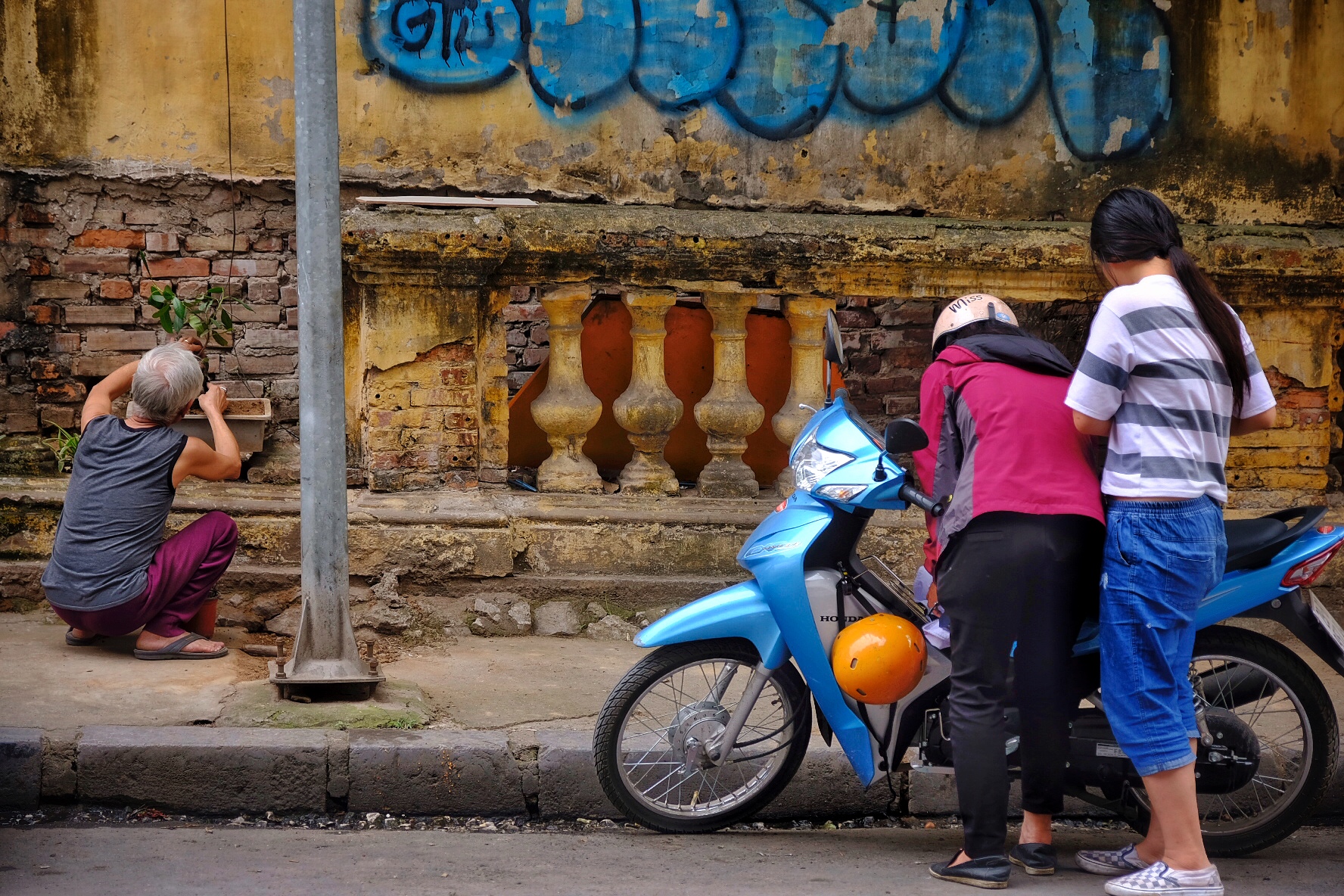
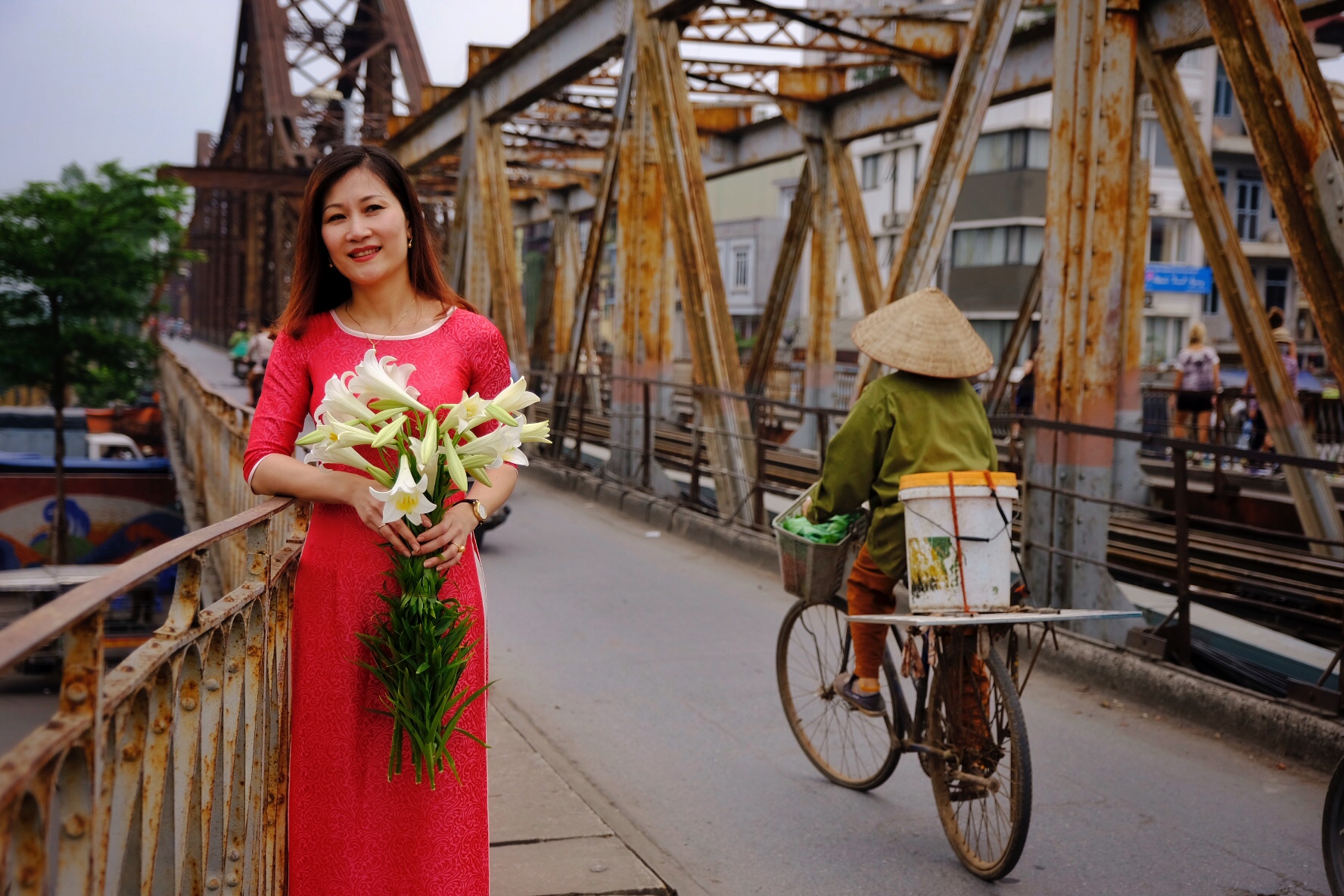
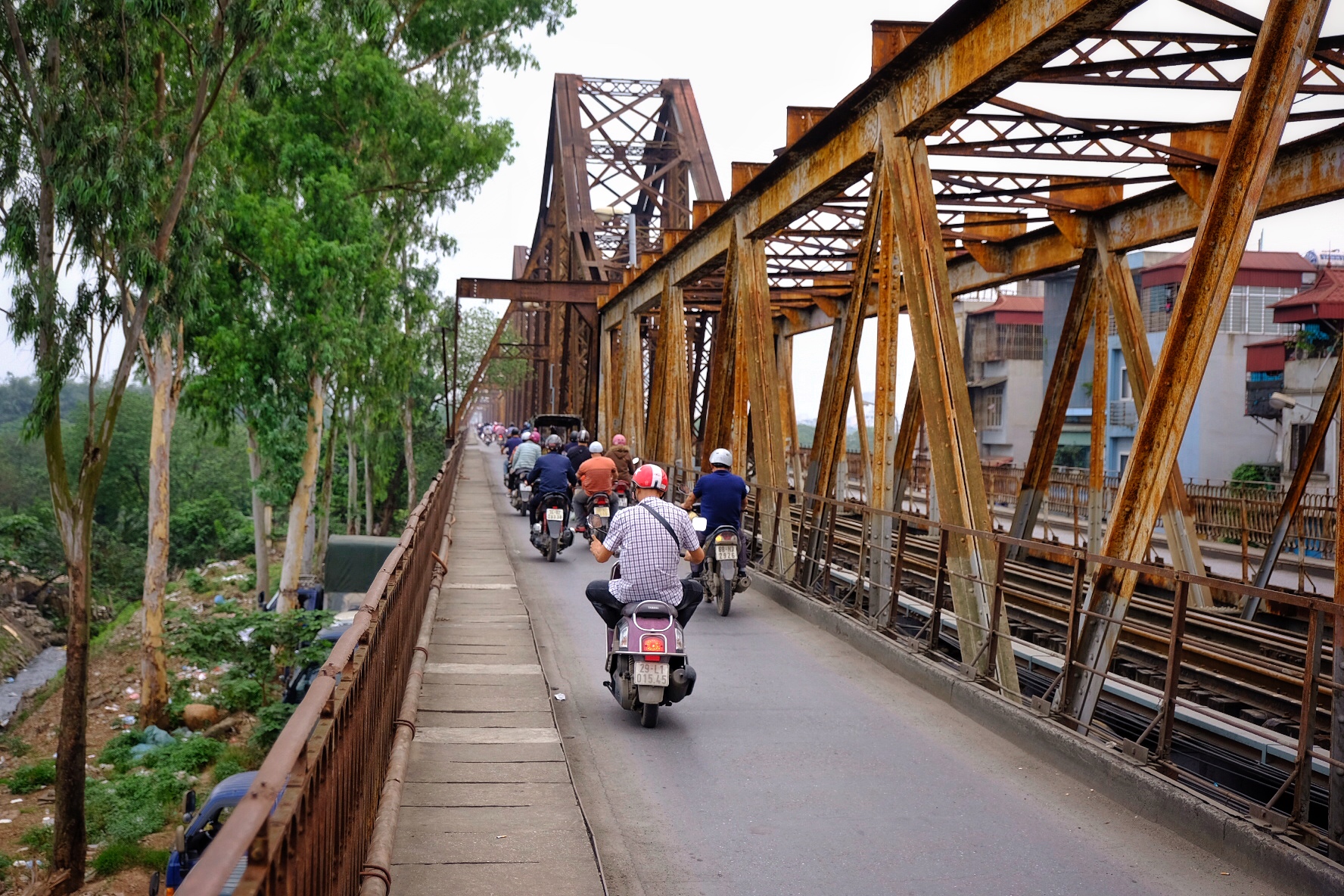
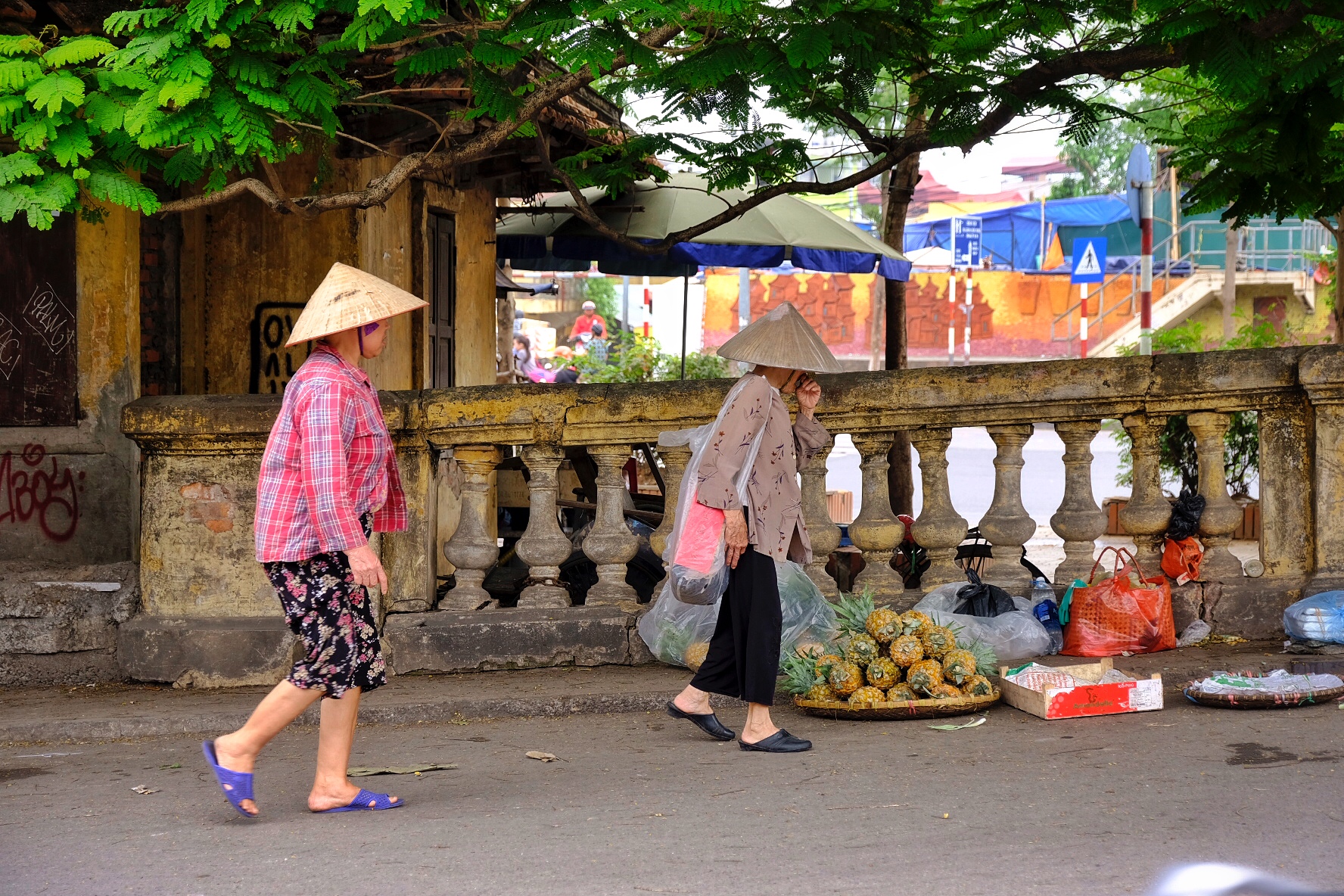
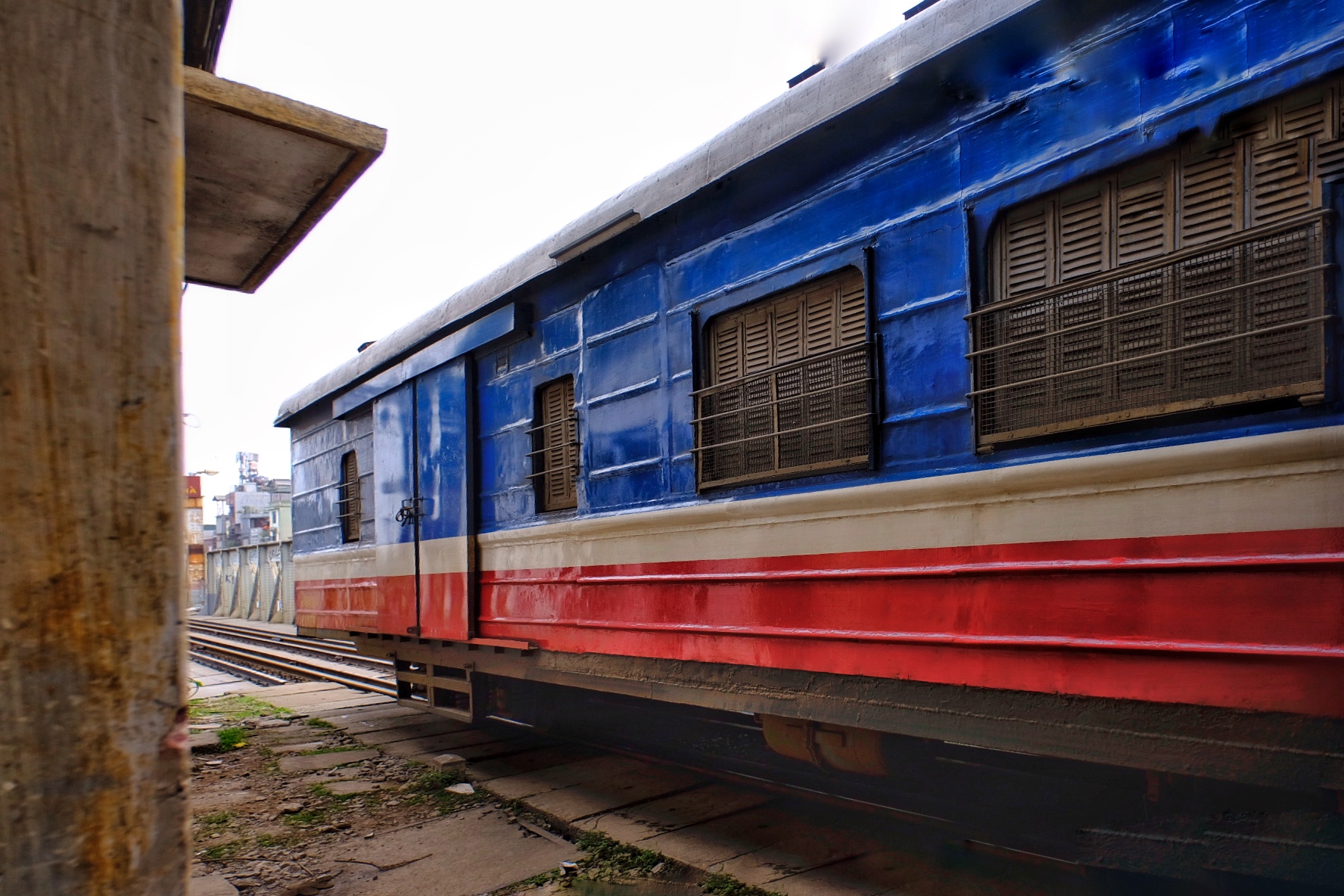
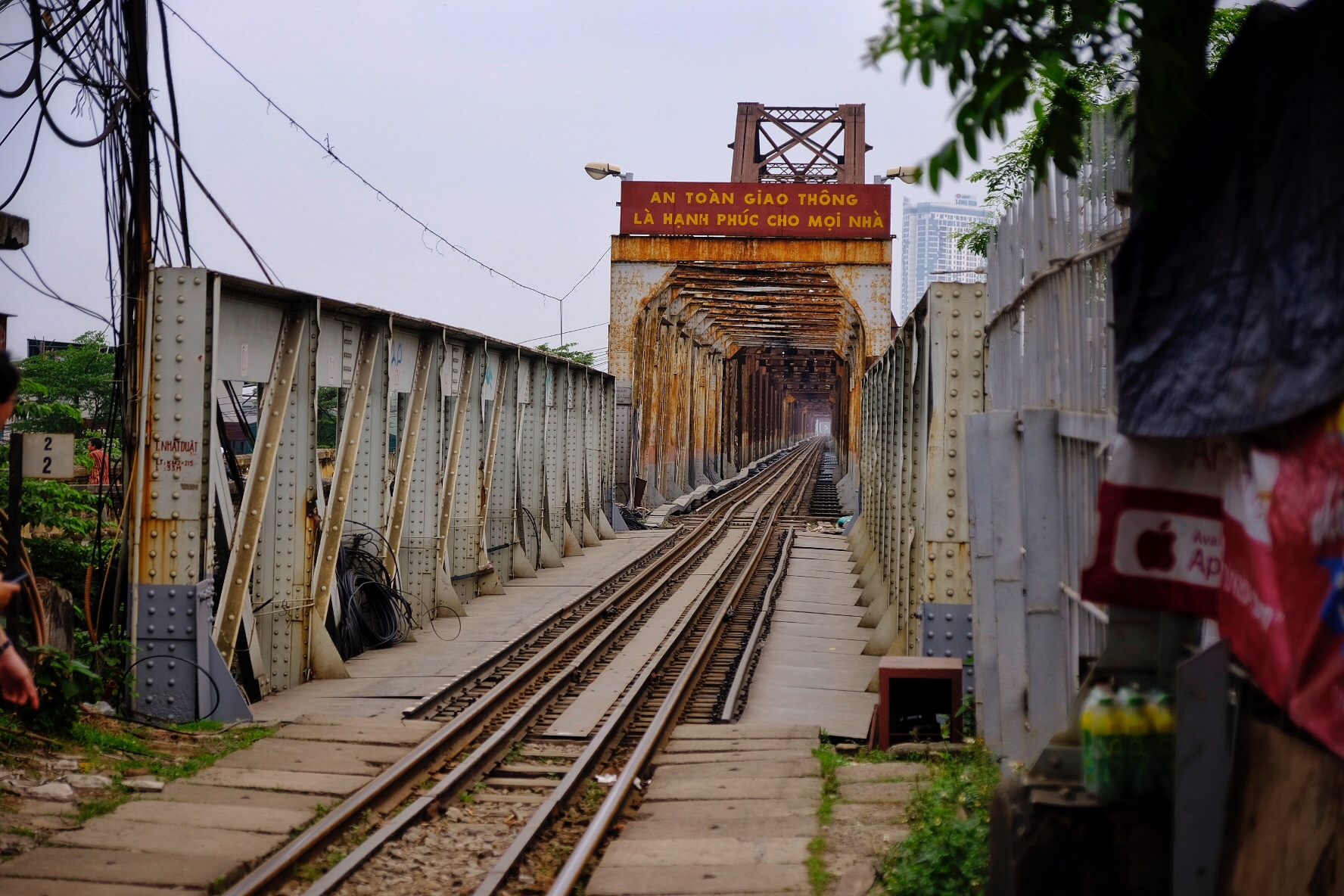
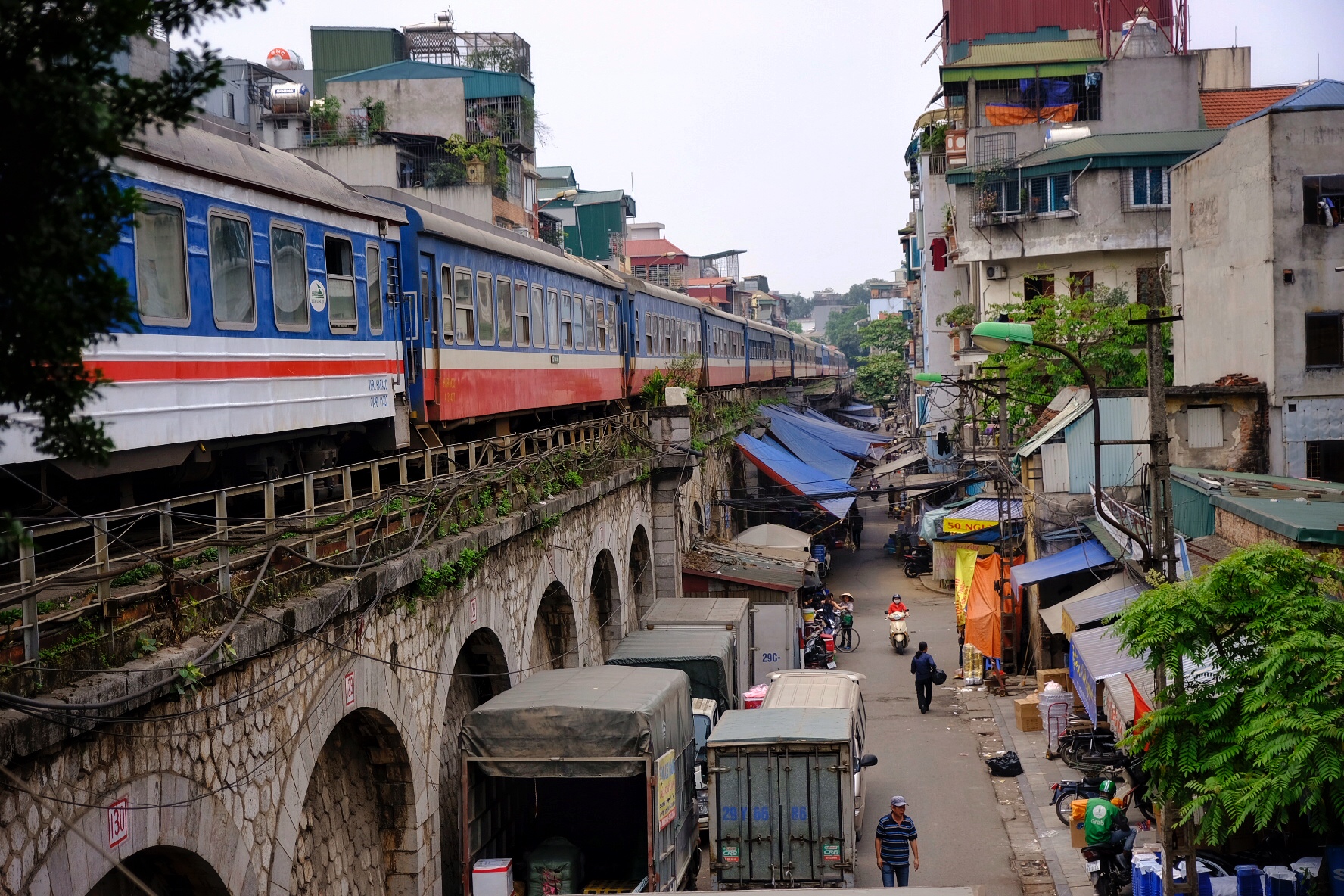
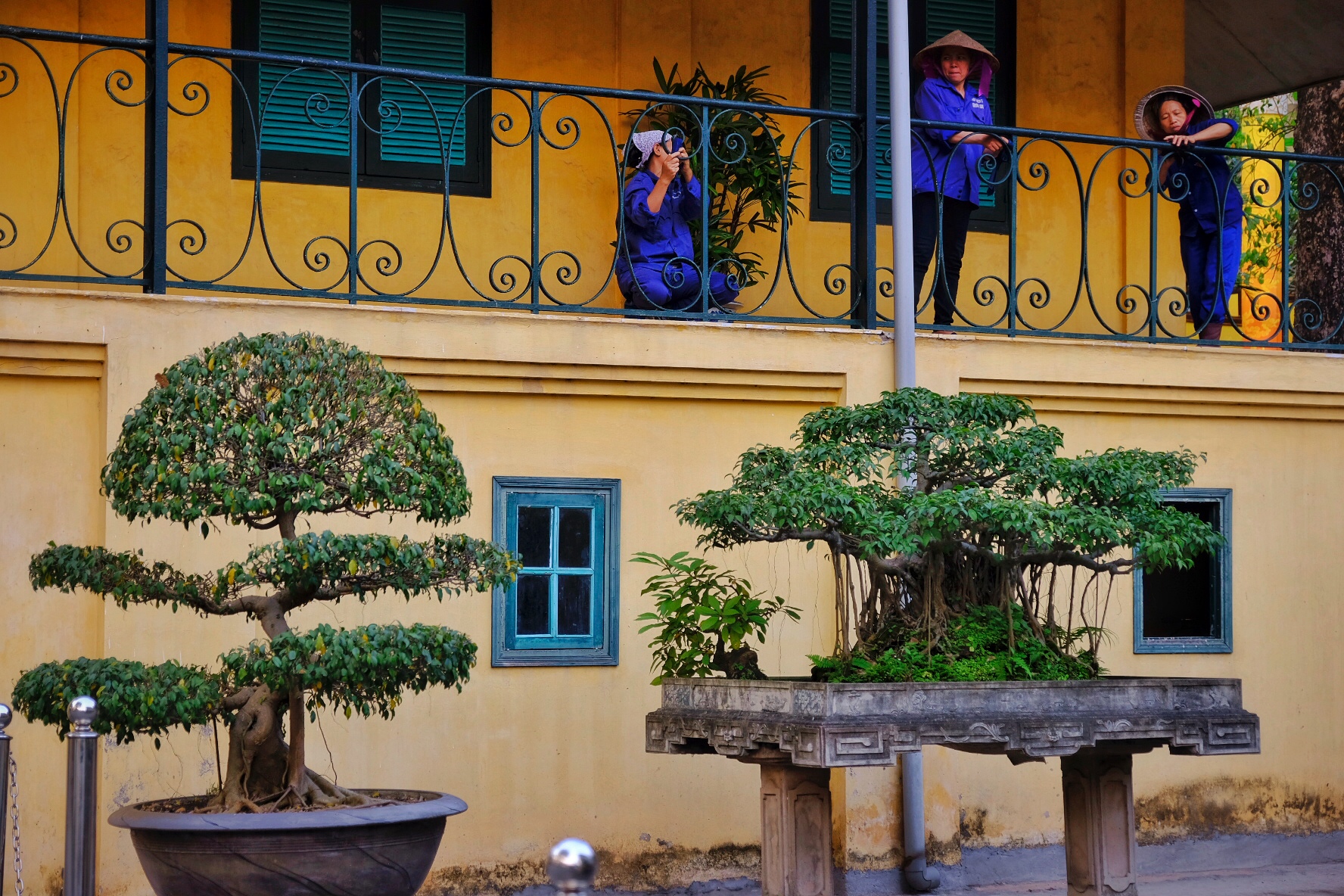
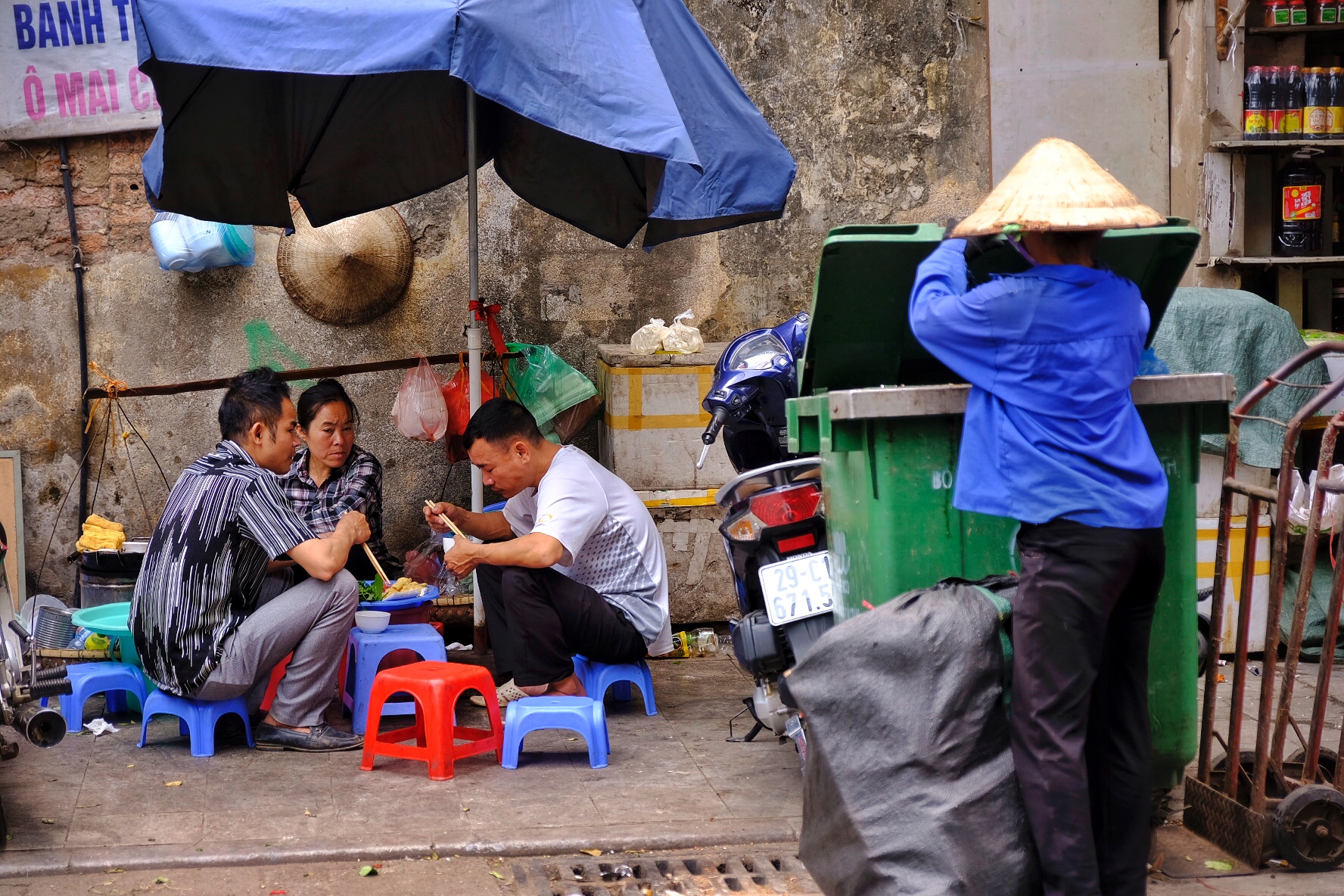
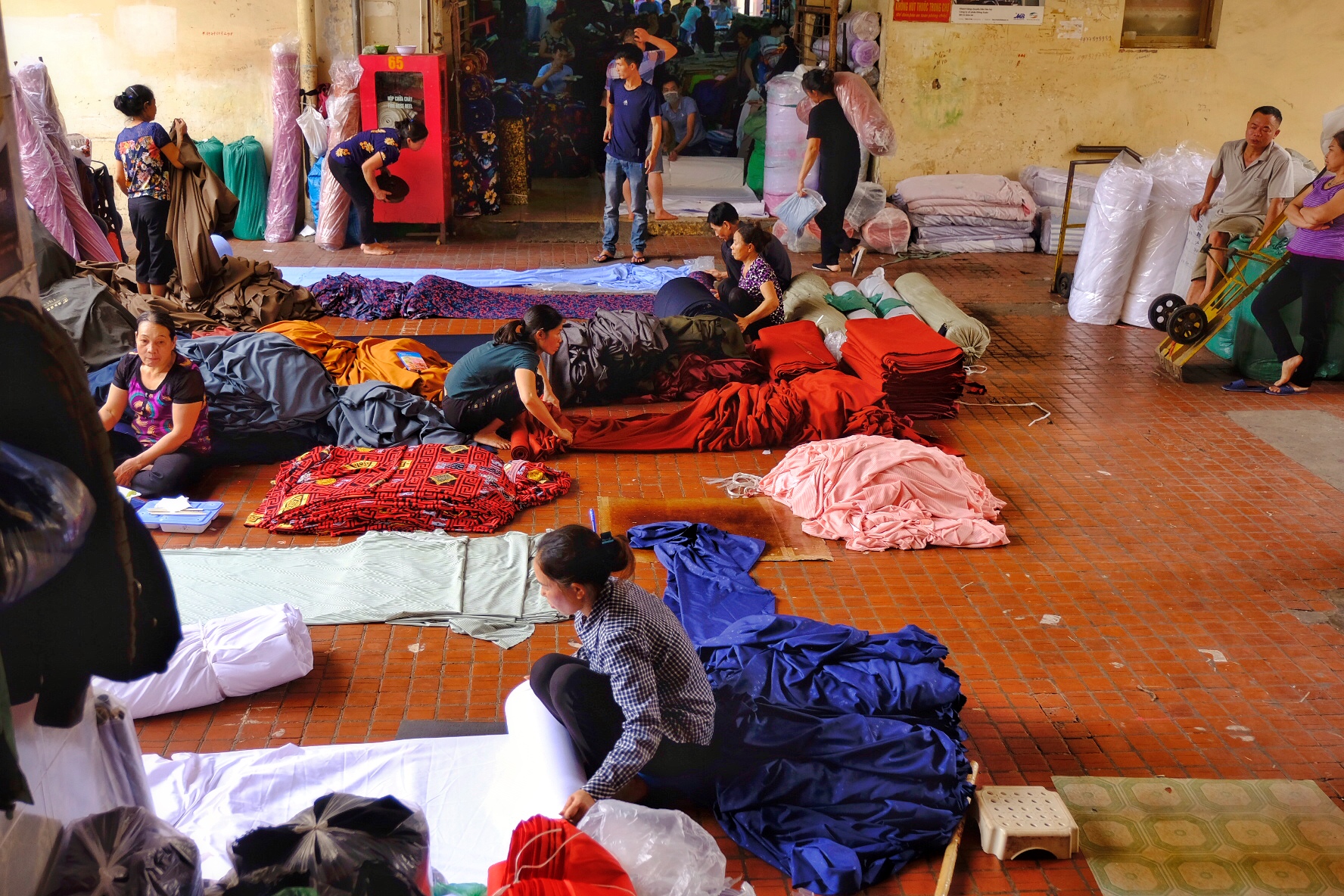
What are my impressions? Well much of the time was spent at meetings though we did get to sample some of the country. But based on my limited experience Hanoi and the north appears more traditional Vietnamese whereas HCM City in the south is more cosmopolitan and western as evidenced by the newer, bigger city and shops like Gucci, Armani, Burberry, Channel etc, etc. Though we did see a Gucci store in Hanoi as well but not on the same scale. Though I am sure that not many locals purchased here, the wealthy international visitor I expect makes up the majority of the customers. As I understand it even well-educated professionals may earn only $200 a month and we saw plenty of people living on much else, and inflation is rampant now.
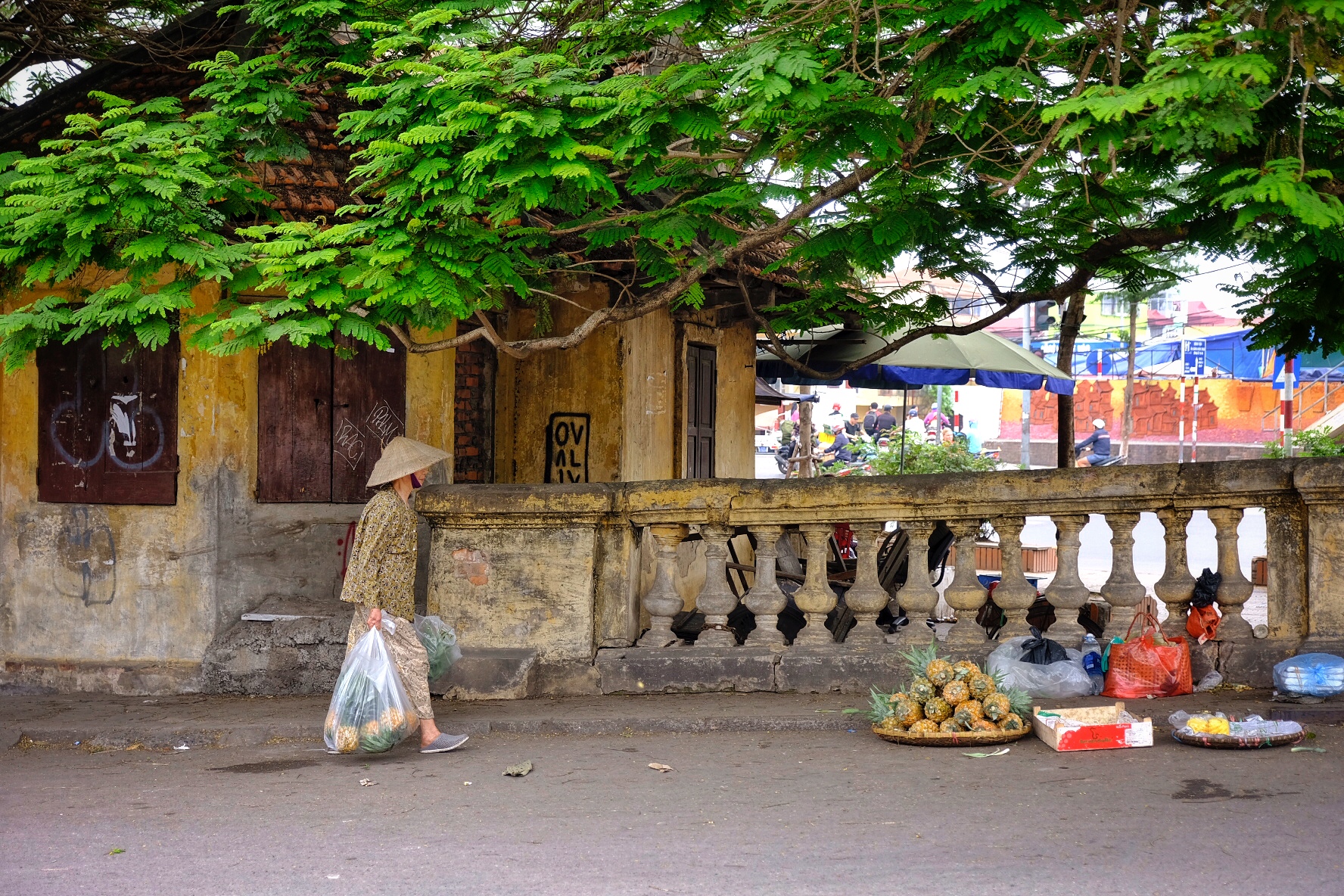
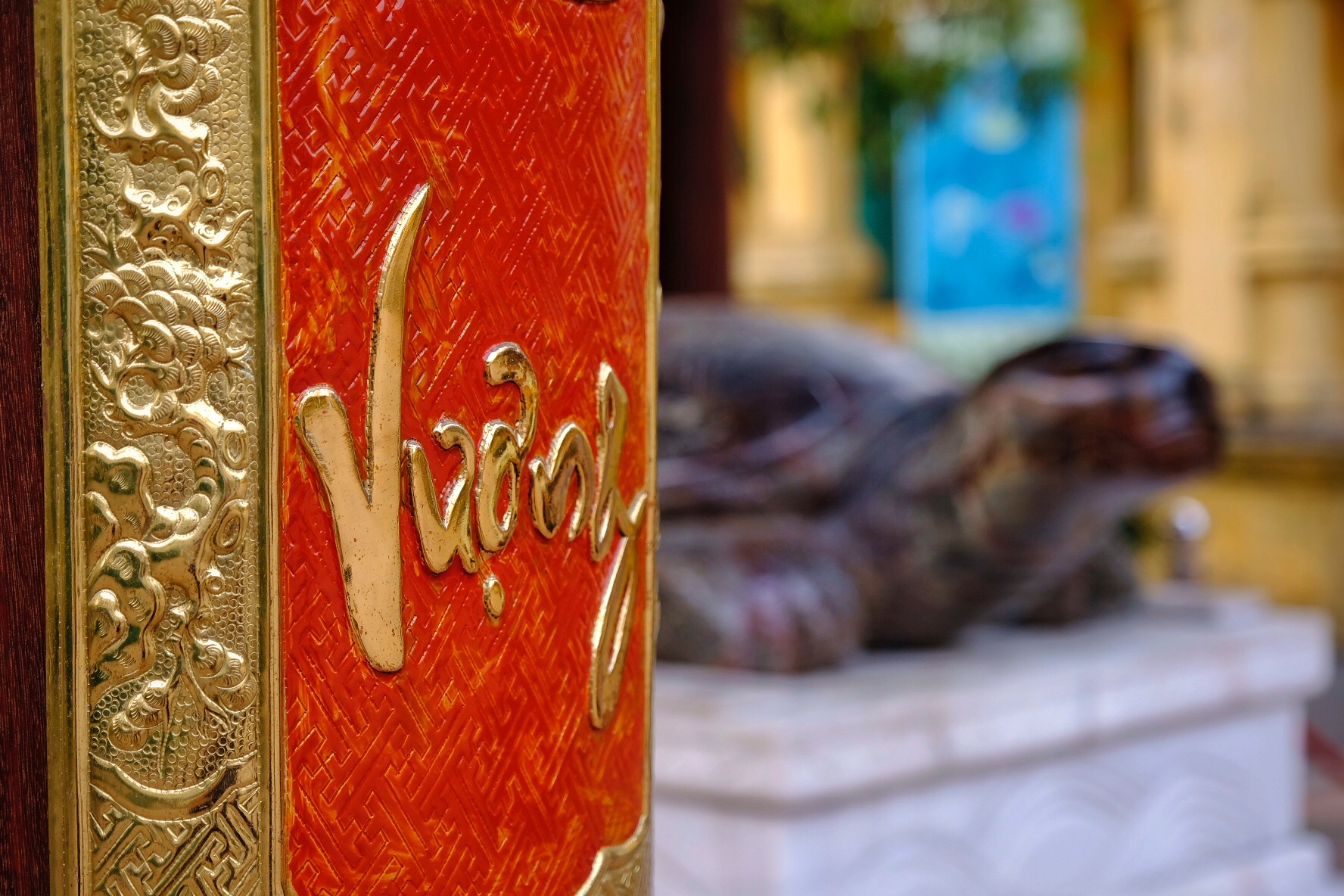
I love Hanoi and some of the local areas we saw and were taken to, it whetted my appetite for more. It would be nice to visit and travel widely with other photographers to get some great images of the very varied landscape and seascapes as well as the beautiful people. The people themselves are, friendly, welcoming, quiet and sometimes shy. There are many different ethnicities with varying traditions which would be great to explore and to get to know more about. In the time available we really didn’t even scratch the surface.
The food is great, a preponderance of fish and seafood, but it all seems so fresh, plainly cooked and embellished with lovely sauces, and the use of vegetables is great. Though we also sampled some of the very unusually: uterus, pigs intestine, testicle, liver and a desert which contained frogs stomach, fortunately we avoided snake! Also unfortunately they did not inherit good desserts from their French invaders but they have an abundance of fantastic fruit to make up for this.
For those of a more cultural bent, than myself, there are also plenty of museums and places that commemorate the struggle against their previous invaders, the USA and the French.
What, though, of their Haemophilia care? Well there are some very good points. Firstly there are a number of Haemophilia centres around the country, this is excellent as I have no doubt that without these centres there would be many more injuries and indeed deaths. General hospitals just don’t treat as well, they don’t have the expertise or the treatment and the delay or denial of treatment, or inappropriate treatment can lead to permanent injury or death. Even in Ireland, where we have good comprehensive care in centres there is a concern about being treated in none centres without this expertise, steps are being taken to try improve on this. The problem here in Vietnam though is that many patients live a long way from the centres and most do not have a decent mode of transport except perhaps on the back of a motorbike which isn’t exactly the best mode of transport with a bleed or injury! This delay causes further problems.
At these centres there are very good and dedicated staff who look after their patients as well as they can, but the problem is two-fold. The lack of access to sufficient and appropriate factor replacement treatment. As a poor country it is difficult to access the most modern factor replacement concentrates so less efficient plasma derived products are used. And although these are made locally to high standards with proper screening for viruses and contaminants, sufficient treatment cannot be made to allow patients treat themselves at home when they get injured, which, would revolutionise the standard of care. Secondly, people with haemophilia here must pay a contribution towards their treatment, 20%, which for the vast majority here is a great burden and has led to great hardship. In circumstances of poverty this contribution is reduced to 5% and in these cases the treatment manufacturers will pay the final 5%, but this really only encourages poverty.
The outcome is that patients lose out on their education, can’t get jobs and find it difficult to support themselves. Seeing this is very humbling and makes me appreciate the very good level of care we get. But also it reminds me of how it used to be in Ireland many decades ago. It has been a long road, a very hard-fought road, to get us where we are and this road has been paved with many instances of hardship, through lack of treatment which lead to: deformity and disablement, poor education, lack of job prospects, families ashamed of their haemophilia, poor quality of life, and indeed lives cut tragically short through injury. In the last 3 decades poor safety measures in the manufacturing of the treatment has had its own tragedy through contamination with HIV, AIDS and Hep. C, where the lives of many friends and families have been devastated. So my visit here reminds me we should not be complacent about what we have achieved, irrespective of our economy. We need to retain and continue to improve our level of care so that we should not fall back into the abyss of inadequate treatment, and we must insist on the highest level of care, in this way people with haemophilia and bleeding disorders can have full and fulfilling lives, and can contribute to society rather than be a burden on it.
So finally a country I would live to return to and explore more fully.
A lie on at last, up at 8.30, breakfast, store our main luggage at the hotel, let’s hope it’s still there on Monday when we return and off the catch the hydrofoil to Vung Tau. Our boat leaves at 11.30 and will take 1.5 hours. Vung Tau is a beach resort outside HCM that the Vietnamese visit at weekends, apparently it’s famous as the place that Gary Glitter frequented!!!!!!
Anyway we check in, it’s not Ritz but will do fine and relaxing and taking in the sun is the order of the day.
The morning started with a very formal inauguration of the HCM City club, which essentially is a branch of the Vietnamese Haemophilia Society.
There are over 50 people attending, with high-powered doctors there and we are invited to the top table as guests. There is a TV camera for local news reporting. The opening ceremony lasts two hours the most touching contribution being from a fairly disabled man with haemophilia who is obviously overcome with emotion at the set up of this club, and what he hopes may improve overall treatment. After it finishes it gives us an opportunity to mix and talk to the haemophiliacs and parents attending. They are extremely friendly and talk freely and ask us about our services and the level of treatment we receive. In fact it’s a little humbling as I soon realise that in perhaps two or three treatments I would have used up an entire years treatment for one of these young men. They can only live in hope, and repeatedly I am told our position is a dream for them.
After another fine lunch with the doctors we have a couple of workshops to discuss the way to organise a society and how to get and train volunteers.
That finishes our work for the day so we have 3 days left to enjoy ourselves.
We set off at 6.45am for our flight to Ho Chi Minh City, formerly Saigon. Vietnam is a long country it being some 1900 km between these two cities and it takes 2 hours by plane.
The first impressions of HCM is a slightly more modern city to Hanoi with wider streets though the traffic is still fairly hectic.
In the afternoon we are to visit the blood bank and three hospitals that treat haemophilia. It’s when you visit hospitals like these that you realise how lucky we are, there are many problems with our health service, but here things are much worse. The doctors and nurses are excellent but they cannot work miracles with the resources they have. We see crowded hospitals with no privacy and in many cases patients are sharing beds. The worse part of this is that haemophilia is readily treatable, and patients can treat themselves at home with modern treatment. When this is done there are less strains on the medical system, with patients being more healthy and requiring less hospitalisation. Instead here there is limited and poorer quality treatment which means these young men are severely disabled, which means they cannot get full education and hence appropriate jobs. Also here the patients must pay a contribution towards their treatment (20%) except if they are destitute. Salaries are poor here so that one treatment can cost as much as a months salary. So it is not unknown to sell their possessions and homes to pay for treatment. Because these children and men are not getting sufficient treatment most are disabled with deformed joins and in many cases they have lost limbs. It is a very humbling experience.
Tomorrow we are to return for the formal set up of a branch of the Vietnamese Haemophilia Society in HCM city and for workshops.
Again we are treated to a very nice seafood meal in a fine restaurant by the health care professionals in HCM city, our hosts are extremely hospitable and friendly and it is a very enjoyable evening.